Descend into the Mysterious Basilica Cistern
Sixth-century underground reservoir held up by 336 marble columns
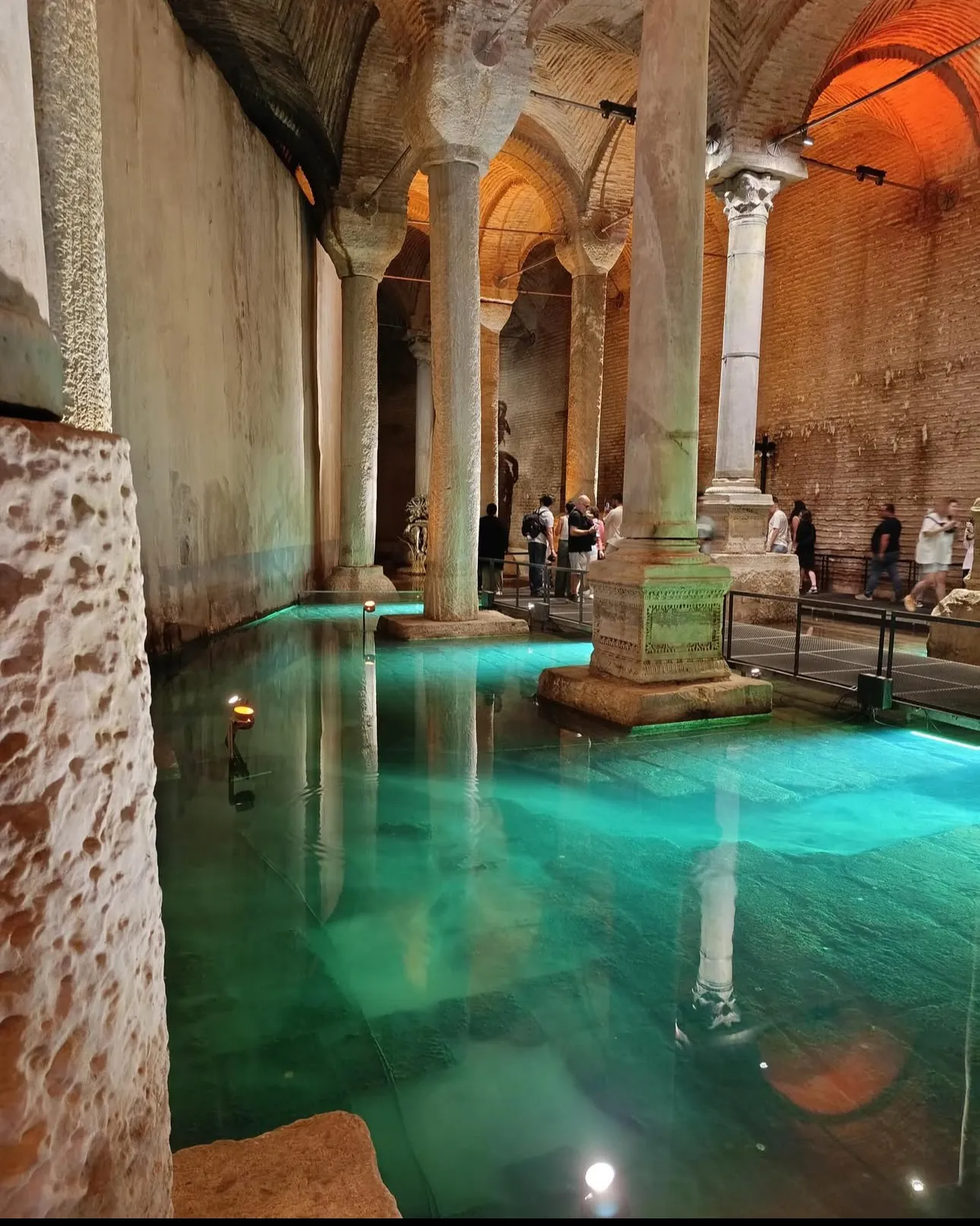
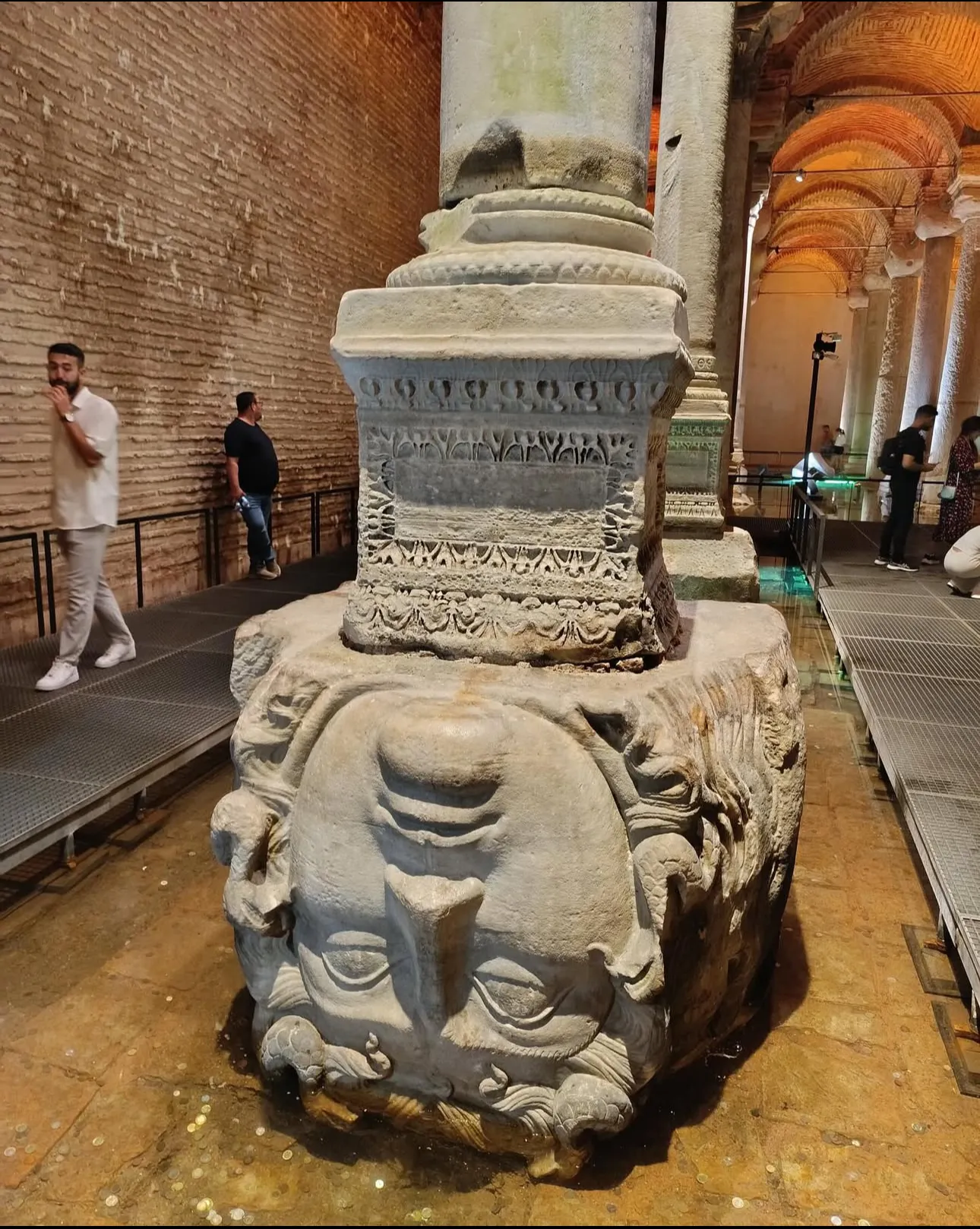
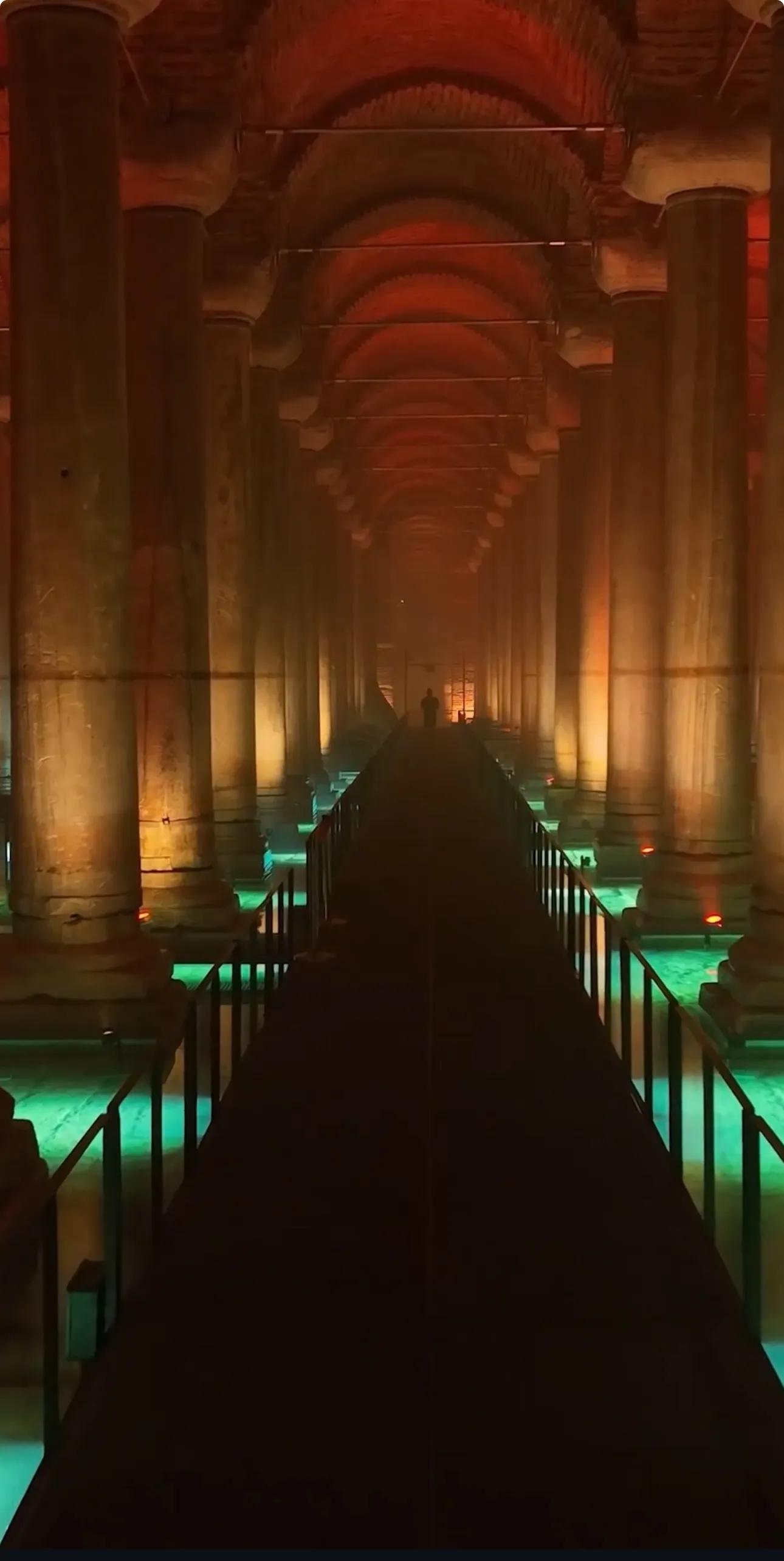
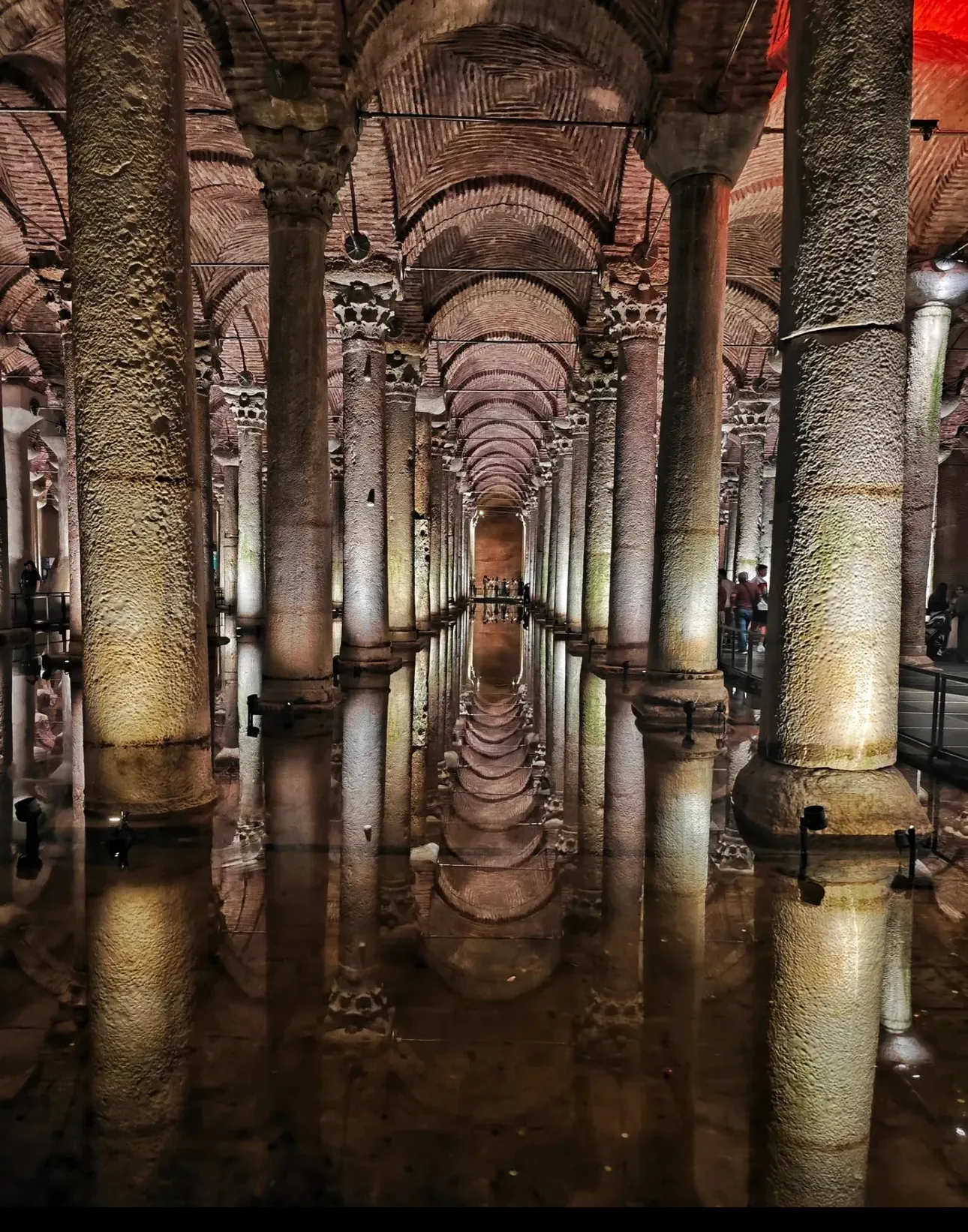
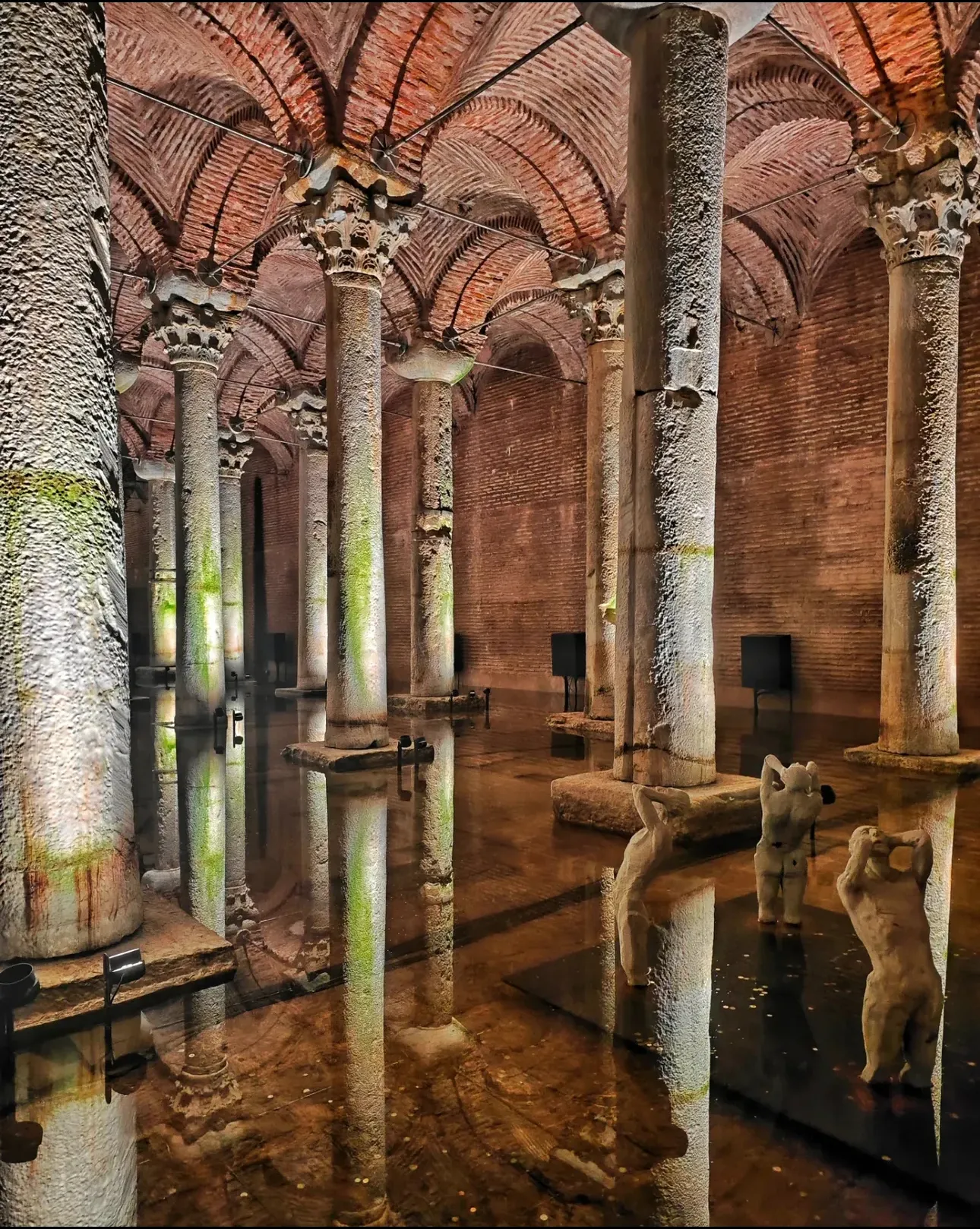
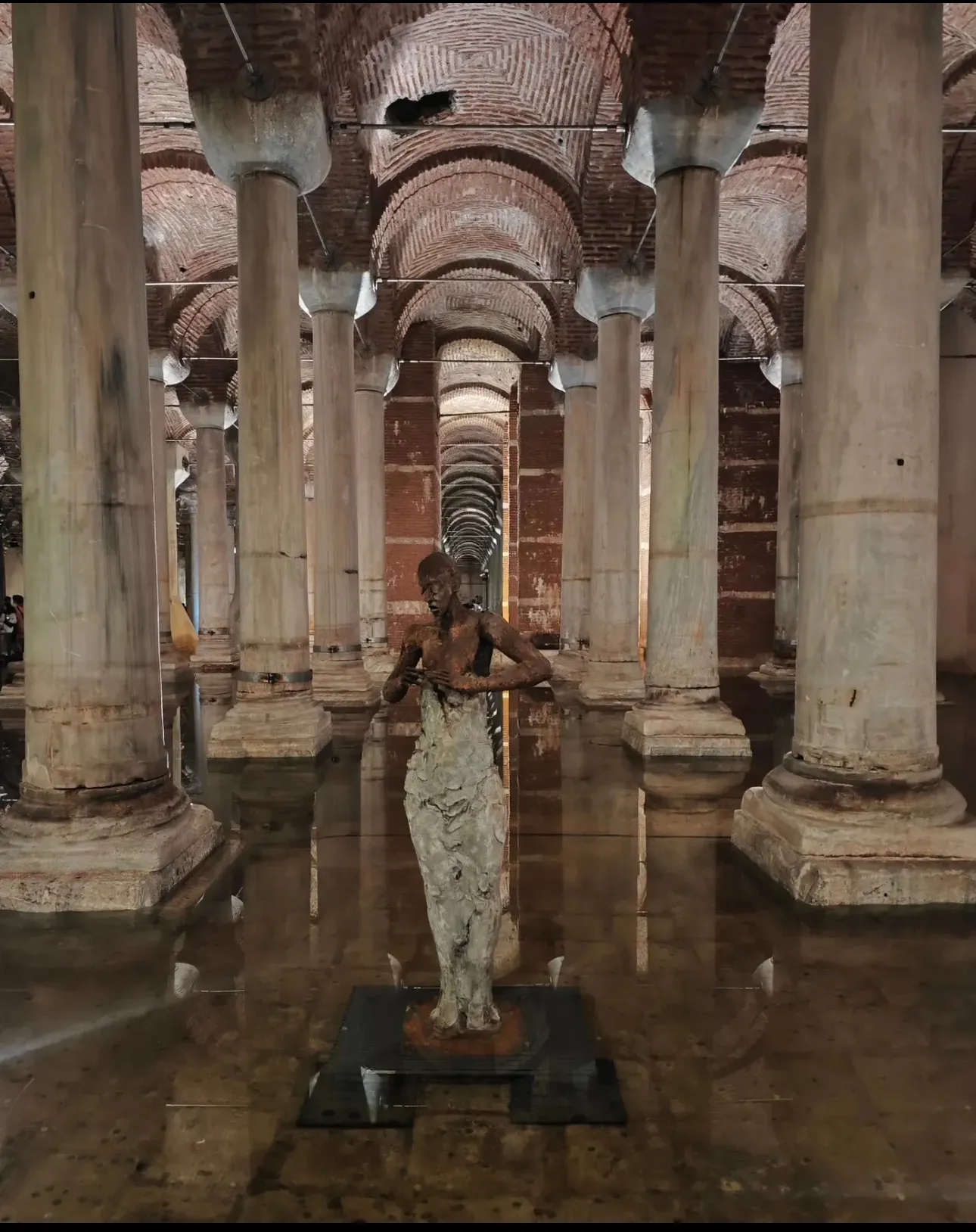
The Basilica Cistern sits beneath the streets of Sultanahmet, directly across from Hagia Sophia. Byzantine Emperor Justinian I had it built in the 6th century to store water for the Great Palace of Constantinople, and the engineering still holds up: 336 marble columns, each nine meters tall, standing in rows above shallow, reflective water. Two of the columns rest on carved Medusa heads whose origin is still debated. Soft lighting, classical music, and the echo of dripping water give the place an atmosphere unlike anywhere else in the old city. It is cool, dim, and slightly eerie, which is exactly the appeal.
What You'll Experience
- 336 marble columns, each 9 meters tall, arranged in perfect symmetry
- Two mysterious Medusa heads used as column bases – origin still debated
- Atmospheric lighting and classical music creating cinematic ambiance
- Reflective waters and echoing sounds adding to the mystique
- Famous filming location for James Bond and Dan Brown adaptations
Why This Matters
This site is still part of daily city life, which is rare for a monument this old. Byzantine emperors and Ottoman sultans both built here, often on the same foundations. The layers are easy to spot once you know what to look for.
Who Should Visit
Visitors interested in Byzantine and Ottoman architecture will want extra time here. Photographers usually come early, before the crowds arrive and while the light is low.
First-time visitors and solo travelers both manage easily here. The area is walkable, and staff at most sites are used to tourists.
The Local Context
Istanbul is the only major city that sits on two continents. The European side holds most of the historic center, while the Asian side is largely residential. Ferries connect the two in about 20 minutes.
The city has been inhabited for over 2,500 years and was the capital of the Roman, Byzantine, and Ottoman empires. Byzantine mosaics and Ottoman calligraphy often share the same building, and many old structures are still in daily use.
Carpet weavers and Turkish delight makers still use old techniques. Some workshops let visitors watch the work, and a few offer short demonstrations. Ask before taking photos.
What You Need to Know
- Buy tickets online to avoid long queues, especially in peak season
- Visit early morning or later in the day for fewer crowds
- Bring a phone or camera with night mode for best photography results
- Combine with nearby Hagia Sophia, Blue Mosque, and Topkapı Palace
- Entrance fee: ~450₺ (about €13-15) for foreign visitors
What's Nearby
Nearby bazaars sell Turkish crafts and souvenirs. Tea houses in the side streets are a good place to rest between sights.