Walk Through History at Kayaköy Ghost Village
Greek village abandoned in the 1923 population exchange, with 350 stone houses and two churches
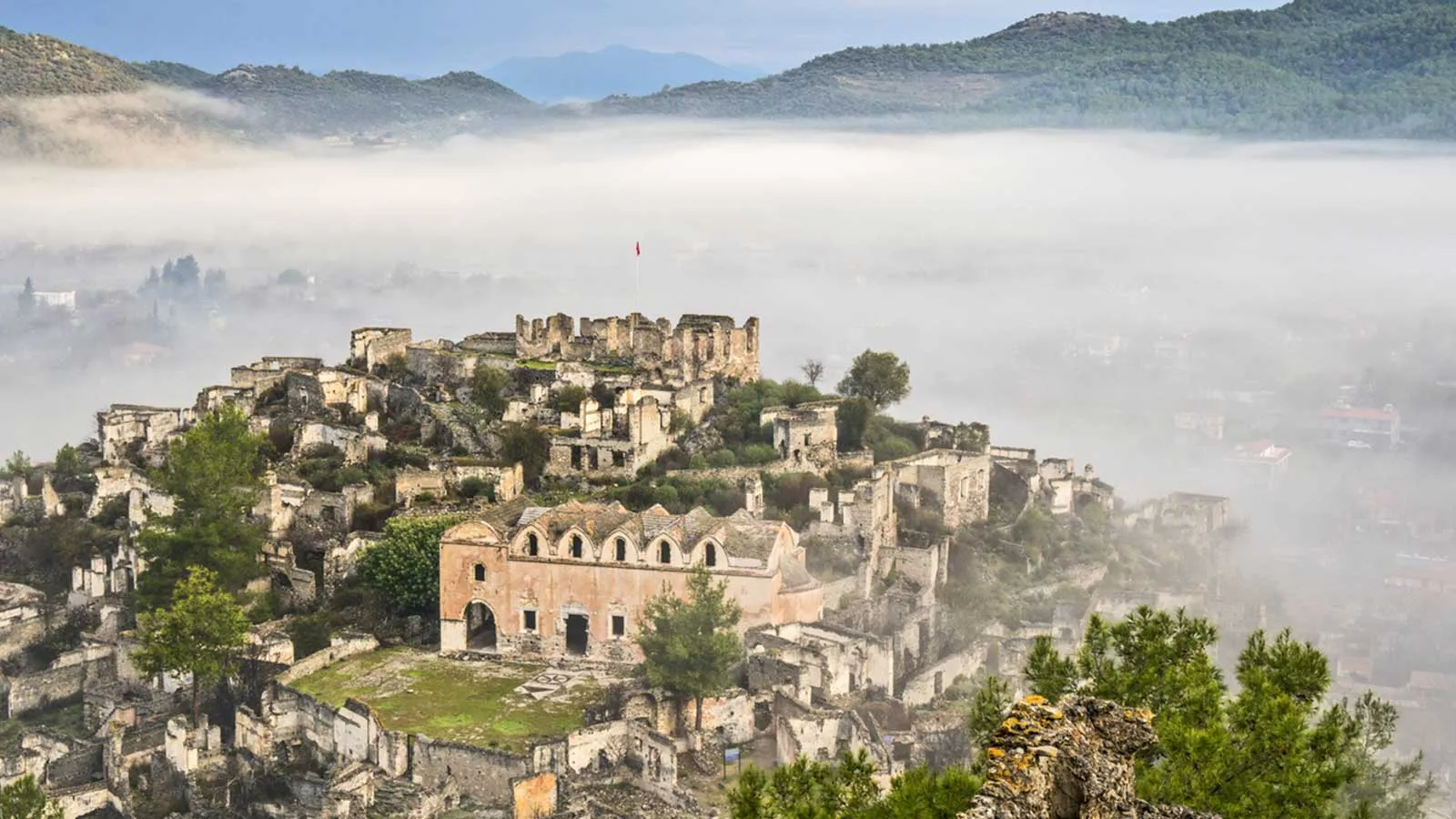
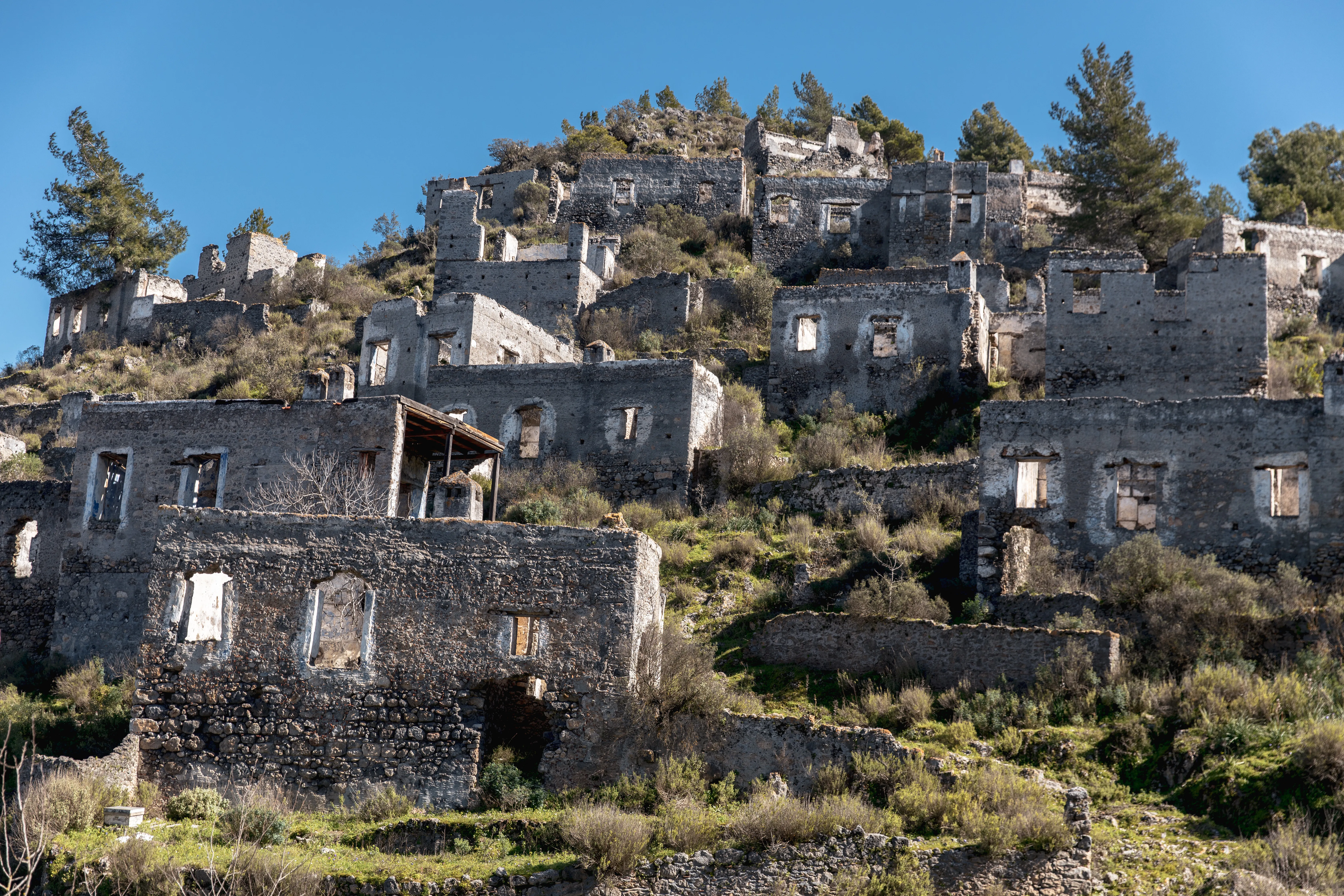
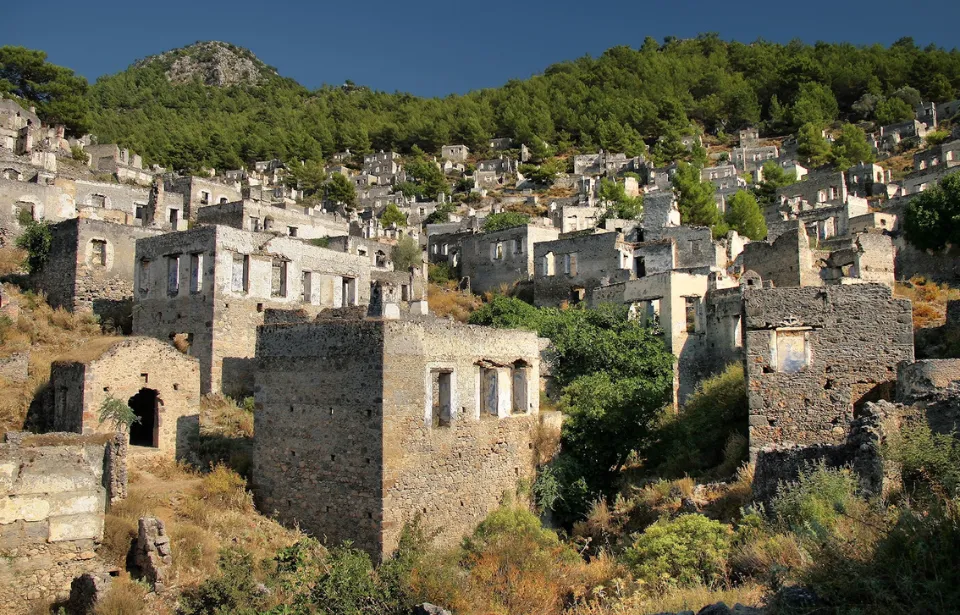
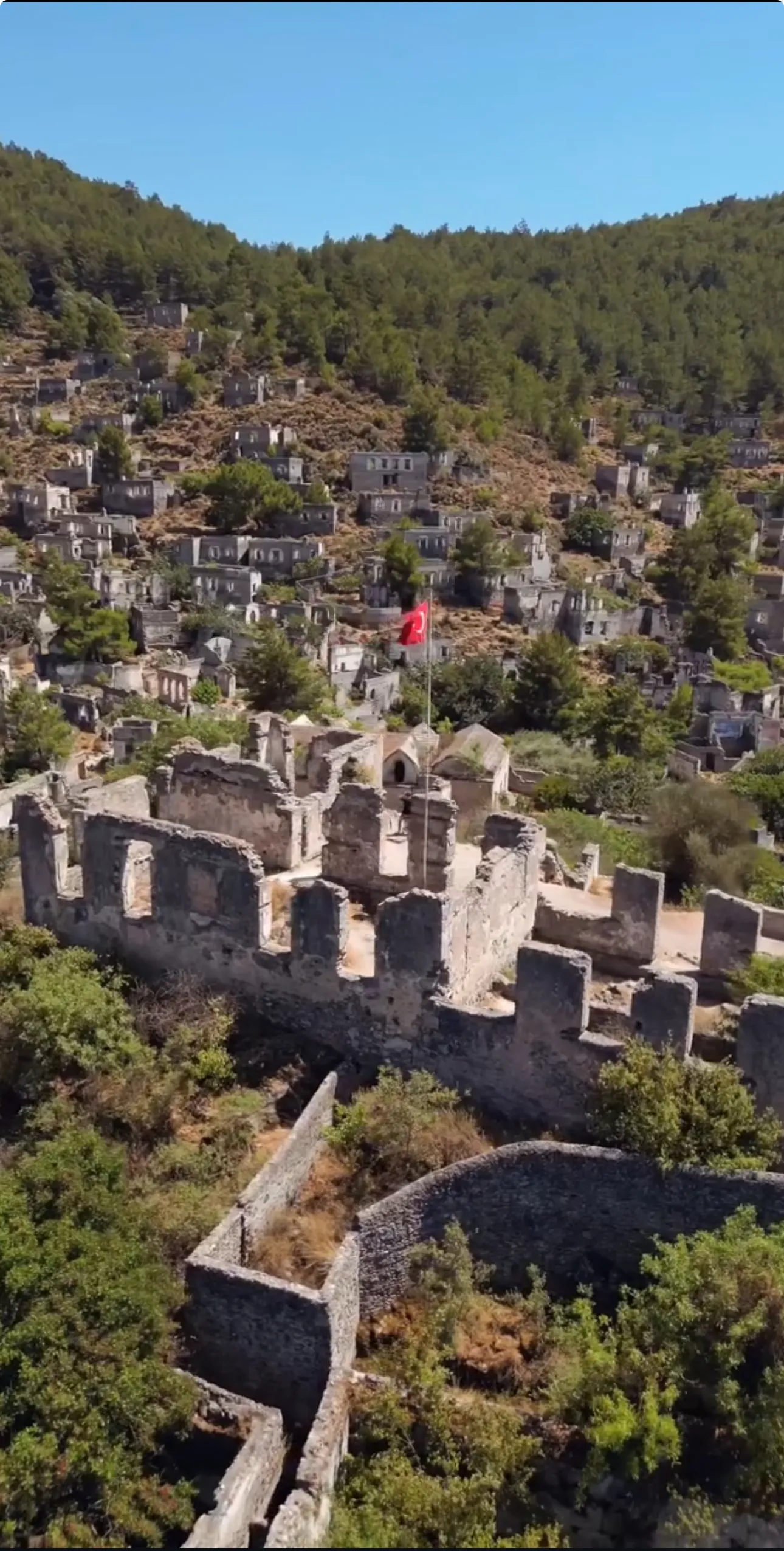
Kayaköy was home to more than 2,000 Greek Orthodox Christians who lived alongside Turkish Muslims for centuries, until the 1923 population exchange between Greece and Turkey emptied the village in a single stroke. Its residents were sent to Greece, no one permanently replaced them, and the hillside has stood still since. About 350 roofless stone houses climb the slope, along with a school and two Greek Orthodox churches, including the Church of Panagia Pyrgiotissa, whose dome and faded frescoes survive. Traces of ordinary life remain everywhere: stone ovens, carved doorways, terraced gardens gone wild. The site holds UNESCO World Heritage status, and its elevated position gives long views over the Fethiye valley to the Mediterranean. Entry is about 30 lira. The ground is uneven and rocky, so wear proper shoes, and go early or late for softer light.
What You'll Experience
- 350 abandoned stone houses from early 20th century
- Two Greek Orthodox churches with original architectural details
- UNESCO World Heritage Site status recognizing historical importance
- Panoramic views over Fethiye and the Mediterranean
- Preserved artifacts of Greek-Turkish cultural coexistence
- Peaceful hiking trails connecting different village sections
Why This Matters
Fethiye stands on the site of ancient Telmessos, a Lycian city. The rock-cut tombs above town and the Roman theater near the harbor both survive from that period. The Lycians controlled this coast for centuries.
Who Should Visit
Visitors interested in Lycian and Roman remains will want a few hours here. The rock tombs photograph best in the late afternoon light.
First-time visitors and solo travelers both manage easily here. The area is walkable, and staff at most sites are used to tourists.
The Local Context
Fethiye is a working port town as well as a resort. The bay has been inhabited for over 3,000 years because it is one of the best natural harbors on this coast.
The Taurus Mountains meet the sea here, which makes the coastal scenery steep and abrupt. Lycian rock tombs sit in the cliffs directly above the modern marina, so the old and new parts of town share one view.
Carpet weavers and boat builders still work with traditional methods here. Some workshops let visitors watch. Ask first; most owners are happy to explain the work.
What You Need to Know
- Wear comfortable walking shoes – the terrain is uneven and rocky
- Bring water and sun protection – limited shade available
- Entry fee is approximately 30 TL per person
- Early morning or late afternoon visits offer better lighting
- Guided tours available for deeper historical context
- Combine with nearby Gemiler Island for a full historical day
- Respect the site – don't climb on fragile structures
What's Nearby
Most Fethiye attractions are easy to reach from the bay. The Ölüdeniz Blue Lagoon is a short drive away, and the Lycian sites of Tlos and Xanthos make good half-day trips. Restaurants around the marina serve fresh seafood.
Markets near the harbor sell Turkish crafts and souvenirs. Waterfront cafes are a good place to try Turkish tea between stops.