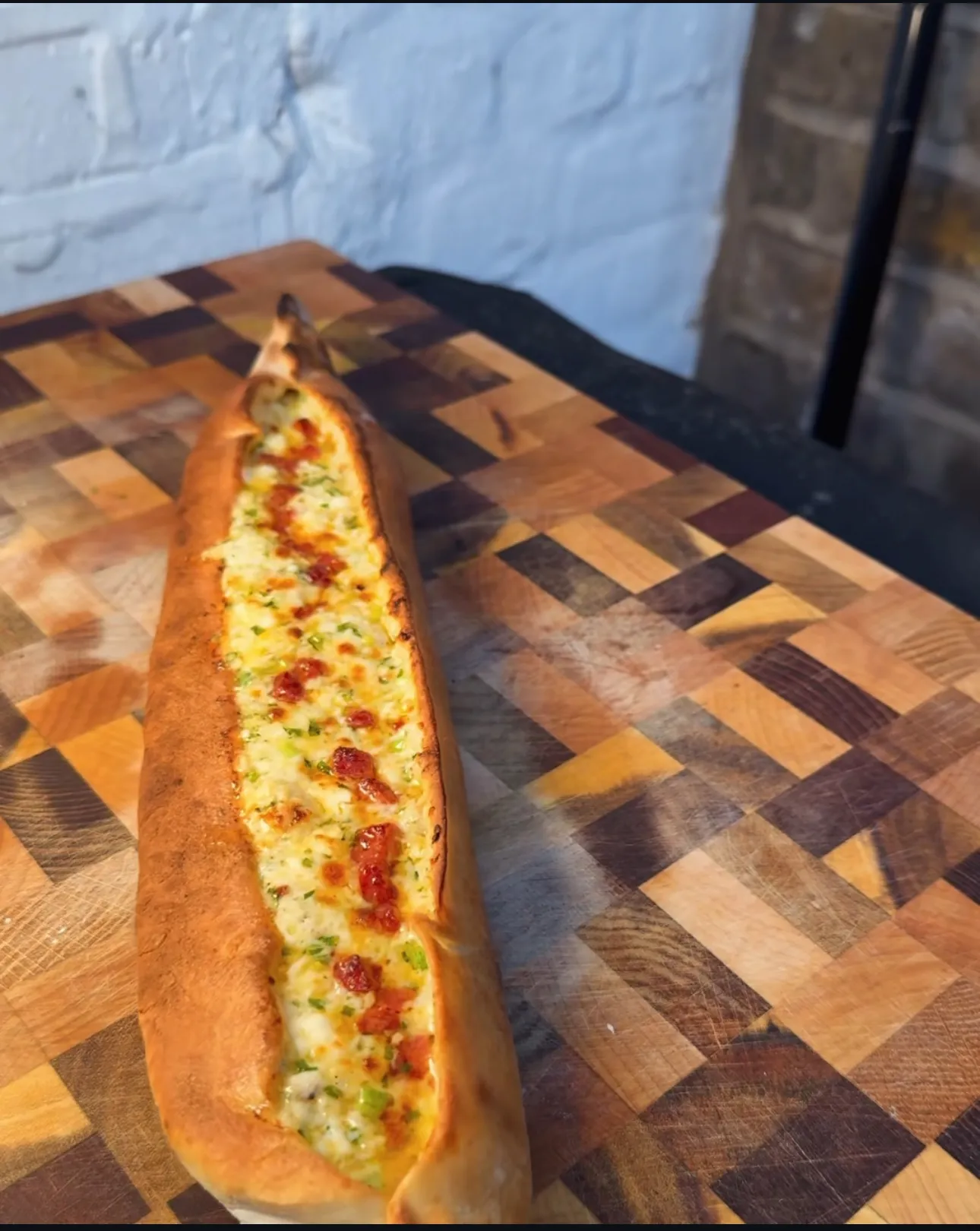
Oven Magic: Antalya's Pide and Lahmacun Masters
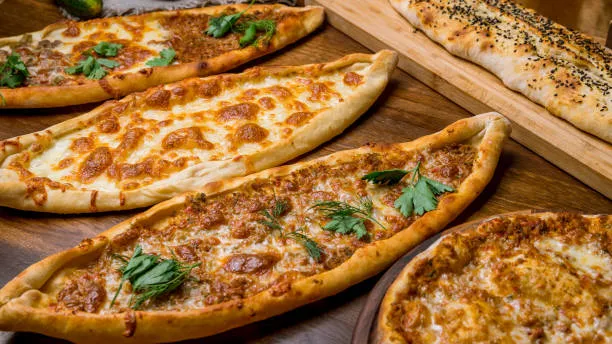
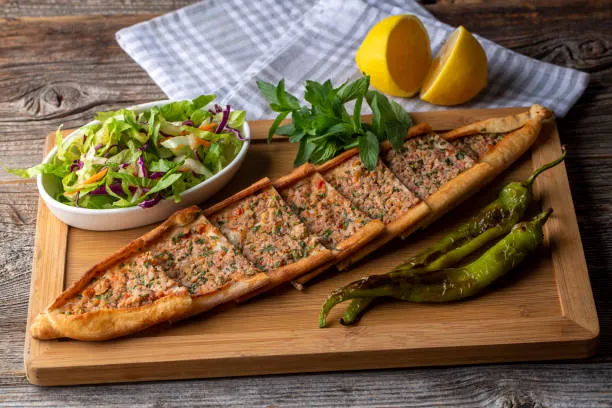
Flatbreads baked in stone ovens: boat-shaped pide with toppings and thin, spiced lahmacun
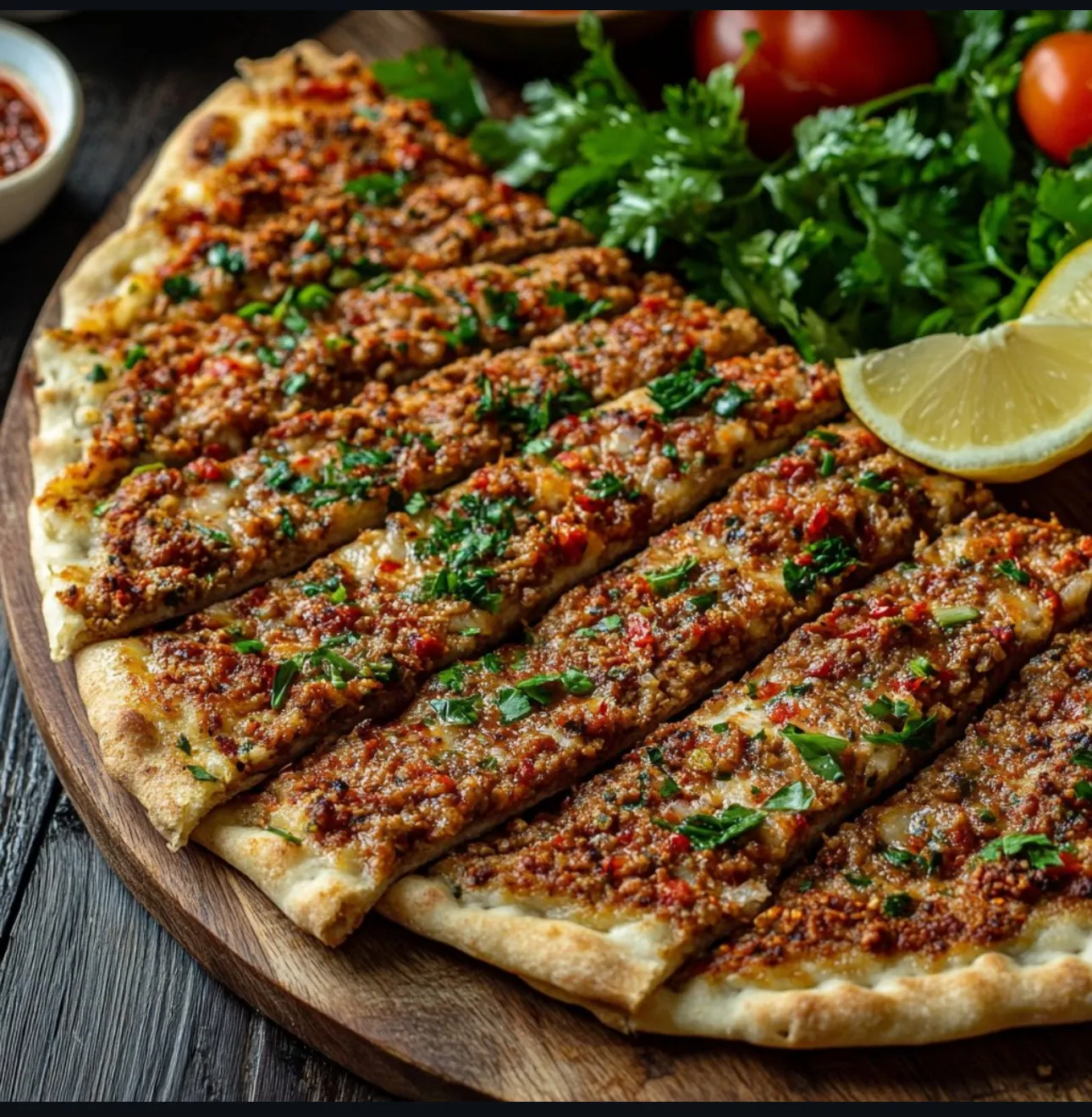
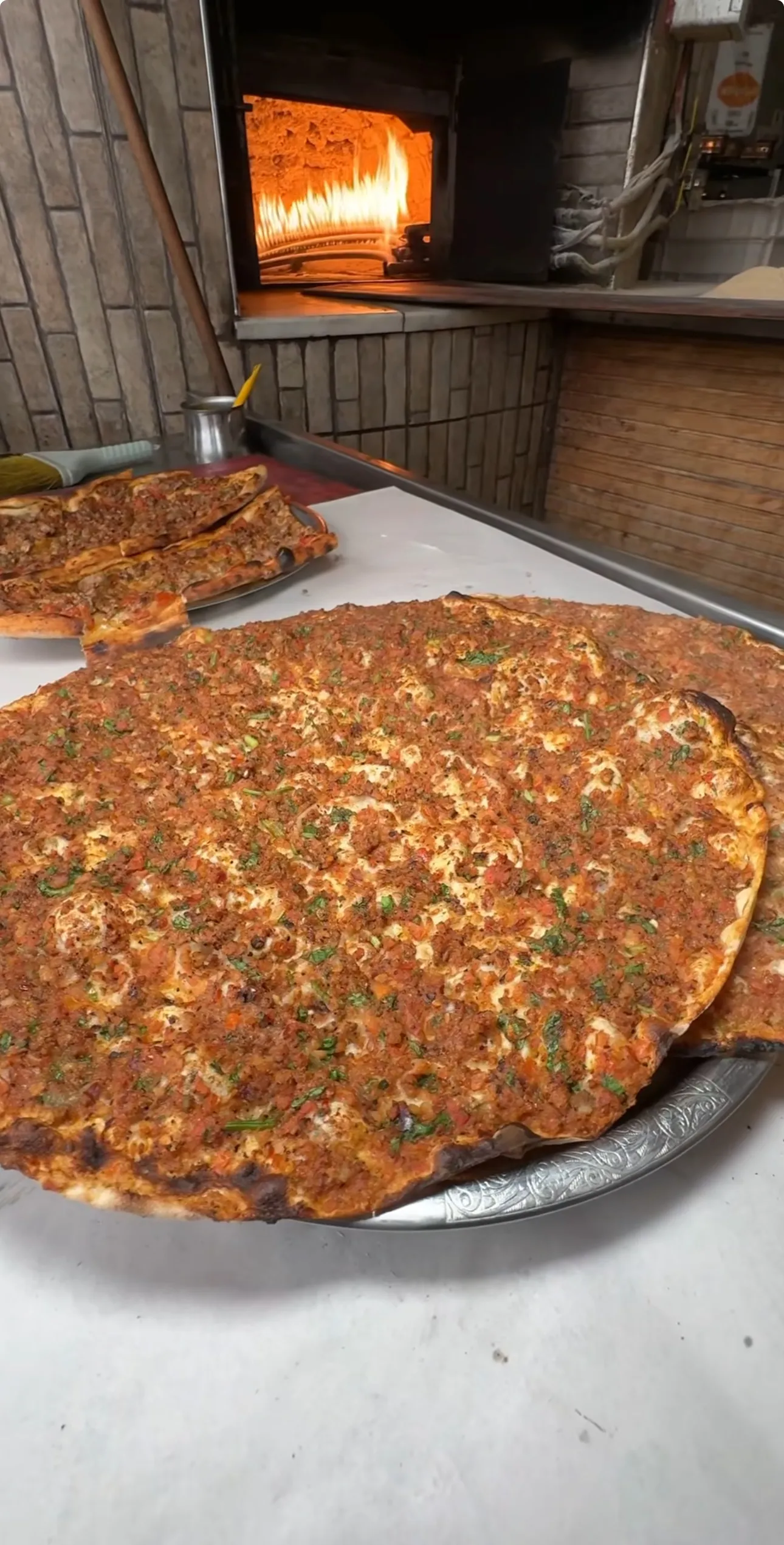
Pide and lahmacun are the two staples of Antalya's bakery restaurants, both made from hand-stretched dough and baked in stone ovens far hotter than any home kitchen can manage. Pide is a boat-shaped flatbread, most often topped with cheese, egg, or spiced meat, and eaten with a knife and fork. Lahmacun is thinner: a wide round of dough spread with a meat mixture that traditionally includes more than a dozen spices, then rolled up with herbs and a squeeze of lemon. The two complement each other, and many locals order both. Tarihi Antalya Pidecisi in Kaleiçi has run its wood-fired oven since 1960, and the stone ovens at older shops hold heat for hours after the fire dies. Go at peak meal times, when the ovens are hottest and turnover fastest, and drink ayran or tea alongside.
What You'll Experience
- Tarihi Antalya Pidecisi (Kaleiçi) – wood-fired oven since 1960 with legendary cheese pide
- Köşe Fırını Hasan Usta (Muratpaşa) – three generations of hand-stretched perfection
- Stone ovens burning continuously for decades
- Pide with rich cheese and egg toppings, lahmacun with spiced meat mixture
- Master bakers stretching dough to perfect thinness without tearing
Why This Matters
Antalya's cooking is Mediterranean: olive oil, fresh fish, and vegetables from the surrounding plain. Many kitchens follow family recipes that have changed little over generations.
Who Should Visit
Anyone who wants to try local cooking will do well here. Ask for the daily fish; it usually comes from nearby waters.
First-time visitors and solo travelers both manage easily here. The area is walkable, and staff at most sites are used to tourists.
The Local Context
Antalya runs at a relaxed Mediterranean pace. Meals tend to last a while, and it is normal for shopkeepers to offer visitors tea.
The city has been inhabited for over 2,000 years. Roman walls stand next to Ottoman houses in Kaleiçi, and many of those houses now work as cafes and small hotels.
Some local trades, such as boat building, still follow old methods. A few workshops let visitors watch. Ask first; most owners are happy to explain the work.
What You Need to Know
- Best during peak meal times when ovens are at maximum heat
- Always order both – they complement each other perfectly
- Pide eaten with fork and knife, lahmacun rolled up with herbs and lemon
- Traditional pairing: ayran (yogurt drink) or Turkish tea
- Stone ovens maintain heat for hours after fire dies
- Authentic lahmacun meat mixture includes over 12 different spices
What's Nearby
Food markets in Kaleiçi sell spices and local produce. Marina restaurants have tables facing the water.
Nearby bazaars sell Turkish crafts and souvenirs. Tea houses in the side streets are a good place to rest between sights.