Bodrum Local Market & Handicrafts: Your Shopping Adventure
Weekly markets and a daily bazaar selling ceramics, textiles, spices, and local food products
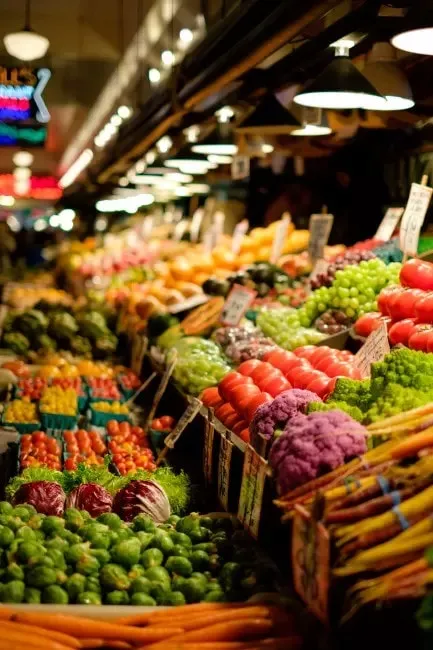
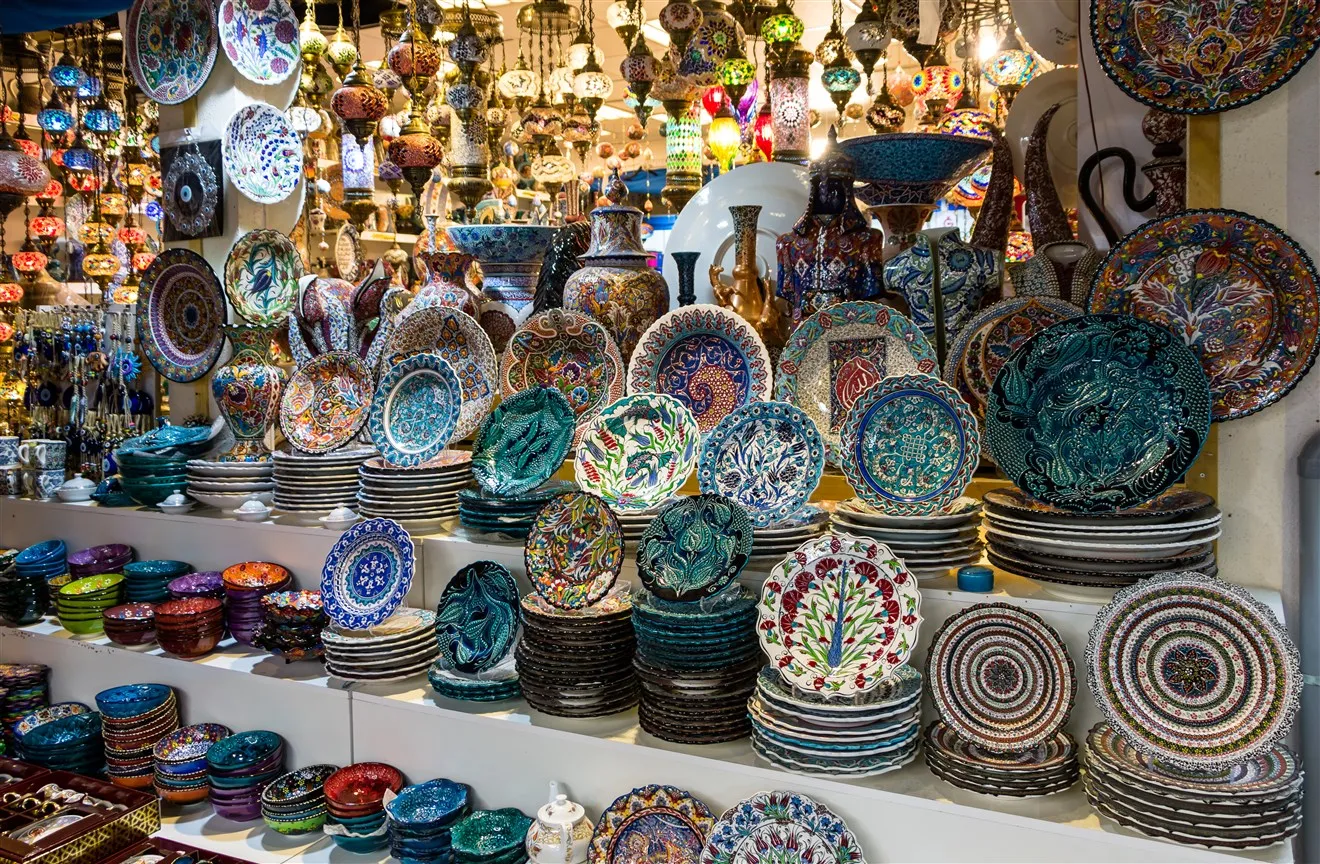
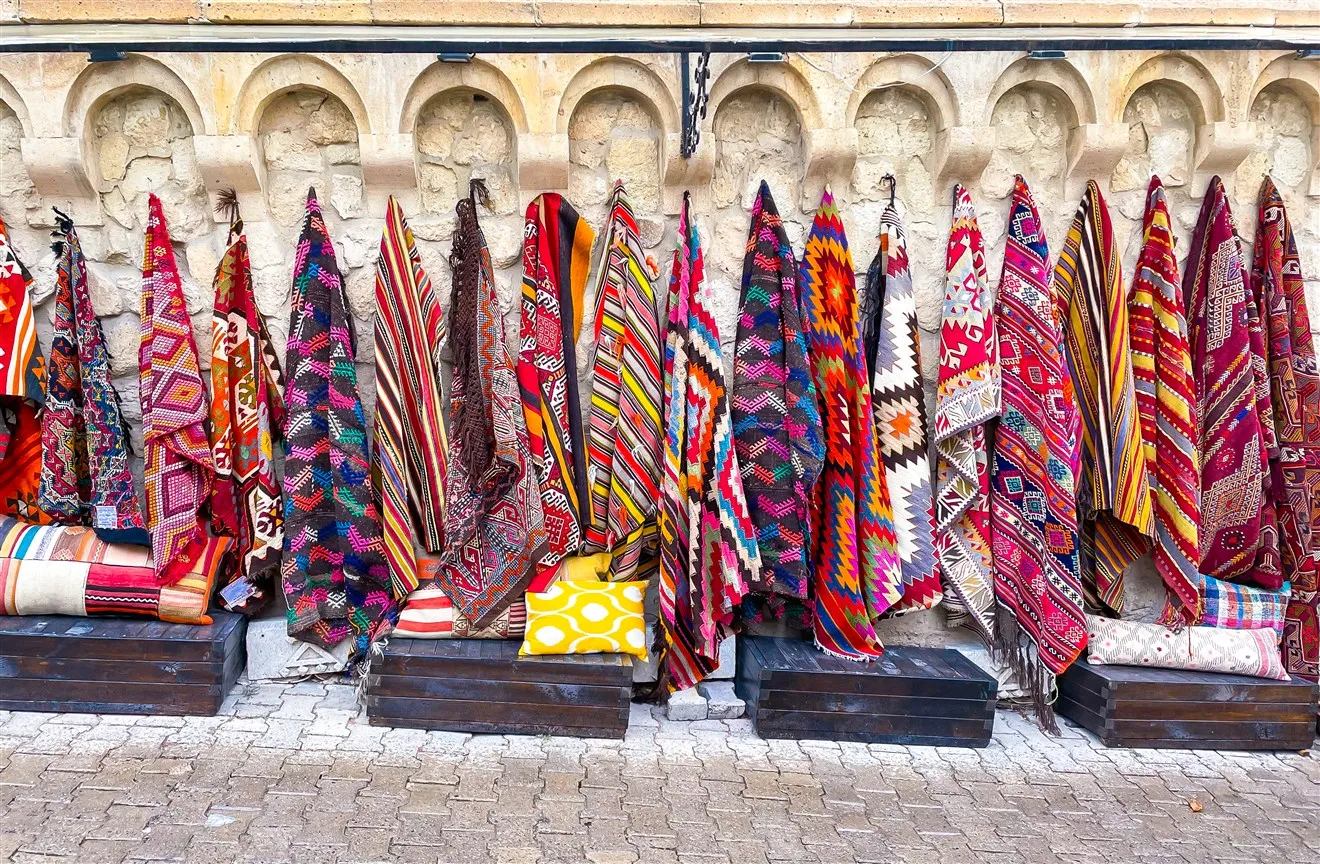
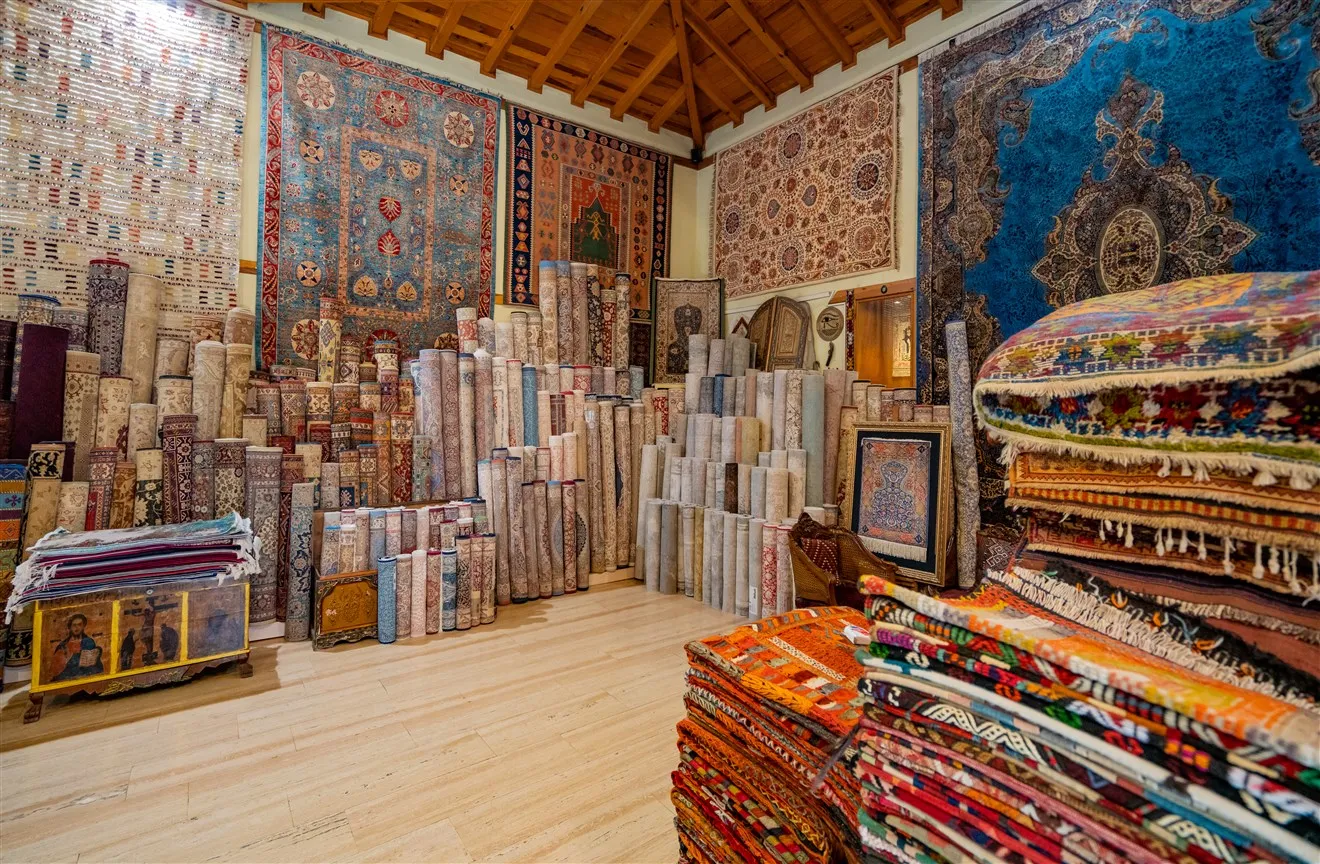
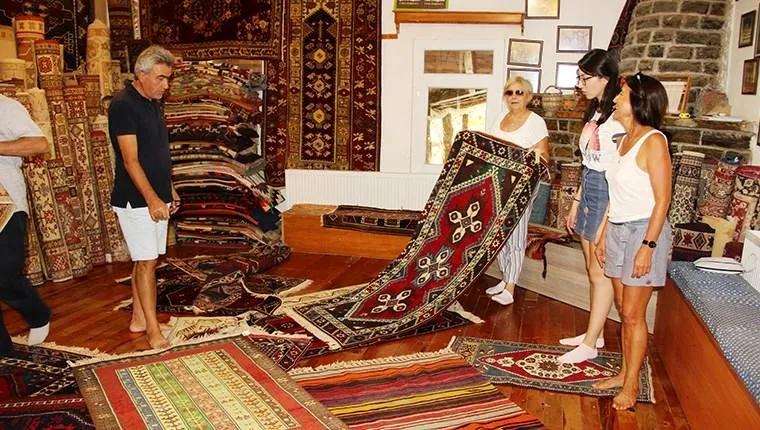
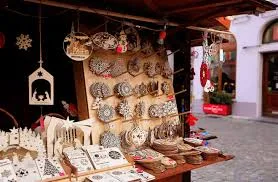
Bodrum's markets sell the things worth carrying home: handmade ceramics, carpets and kilims, leather goods, Turkish towels, and food such as local honey, olive oil, and Turkish delight. The Friday Market is the biggest, spreading through several streets near the center with everything from clothes to spices. Turgutreis holds its market on Tuesdays, stronger on fresh produce and local goods, while the Bodrum Bazaar runs daily in summer with a focus on crafts and tourist items. Bargaining is expected and friendly; starting at half the asking price is normal, and cash gets better deals than cards. Check carpet and kilim quality carefully before committing, and consider the small purchases too: evil eye charms make easy gifts. Mornings bring the freshest produce, and some pottery workshops let you watch the artisans at work.
What You'll Experience
- Bodrum Friday Market – biggest selection of goods and crafts
- Traditional Turkish lamps with colorful glass designs
- Hand-painted ceramics with beautiful Ottoman motifs
- High-quality leather goods including bags and shoes
- Local artisan workshops with live demonstrations
- Authentic Turkish carpets and kilims with quality guarantee
Why This Matters
Trade has run through Bodrum for over 1,000 years. The bazaar streets mix artisan workshops with standard tourist stalls, and handmade leather sandals are a local specialty.
Who Should Visit
Shoppers can find leather sandals, textiles, and other local work in the bazaar streets. Prices are usually negotiable.
First-time visitors and solo travelers both manage easily here. The area is walkable, and staff at most sites are used to tourists.
The Local Context
Bodrum is Turkey's best-known upscale coastal town. The peninsula has been inhabited for over 2,400 years, first as a Greek city-state, later as a Roman province and a Crusader stronghold.
The town was once Halicarnassus, birthplace of the historian Herodotus and site of the Mausoleum, one of the Seven Wonders of the Ancient World. The ancient theater and the medieval castle both survive, a short walk apart.
Boat builders here still make wooden gulets by hand, and some shipyards accept visitors during working hours. The restaurant scene includes simple lokantas as well as resort dining rooms.
What You Need to Know
- Start bargaining at half the asking price
- Be friendly and patient – bargaining is part of the fun
- Bring cash for better deals and discounts
- Morning shopping means fresher produce at markets
- Compare prices at different shops before buying
- Check opening hours – many shops close for lunch
- Visit pottery workshops to watch artisans at work
What's Nearby
Nearby bazaars sell Turkish crafts and souvenirs. Tea houses in the side streets are a good place to rest between sights.