Walking Through Ancient Bodrum: The Theatre and Myndos Gate Experience
Fourth-century BC theater seating 13,000 and the city gate Alexander the Great attacked in 334 BC
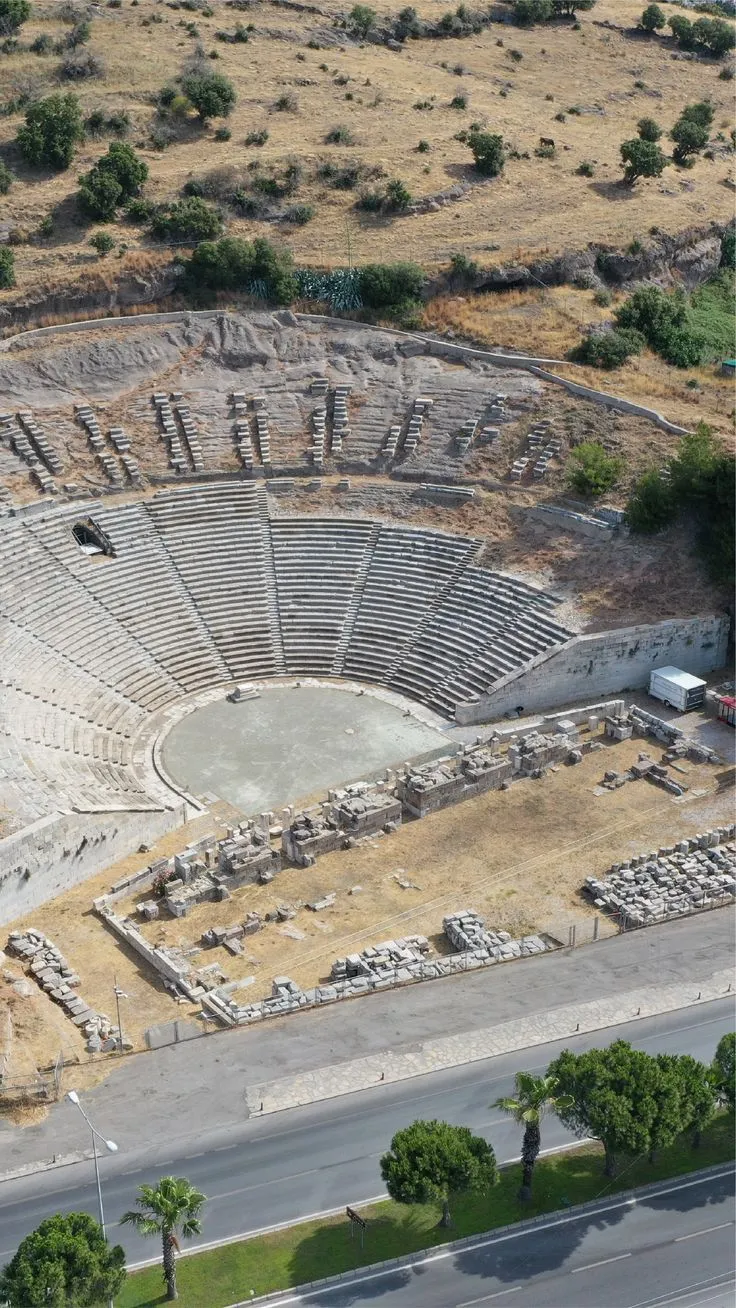
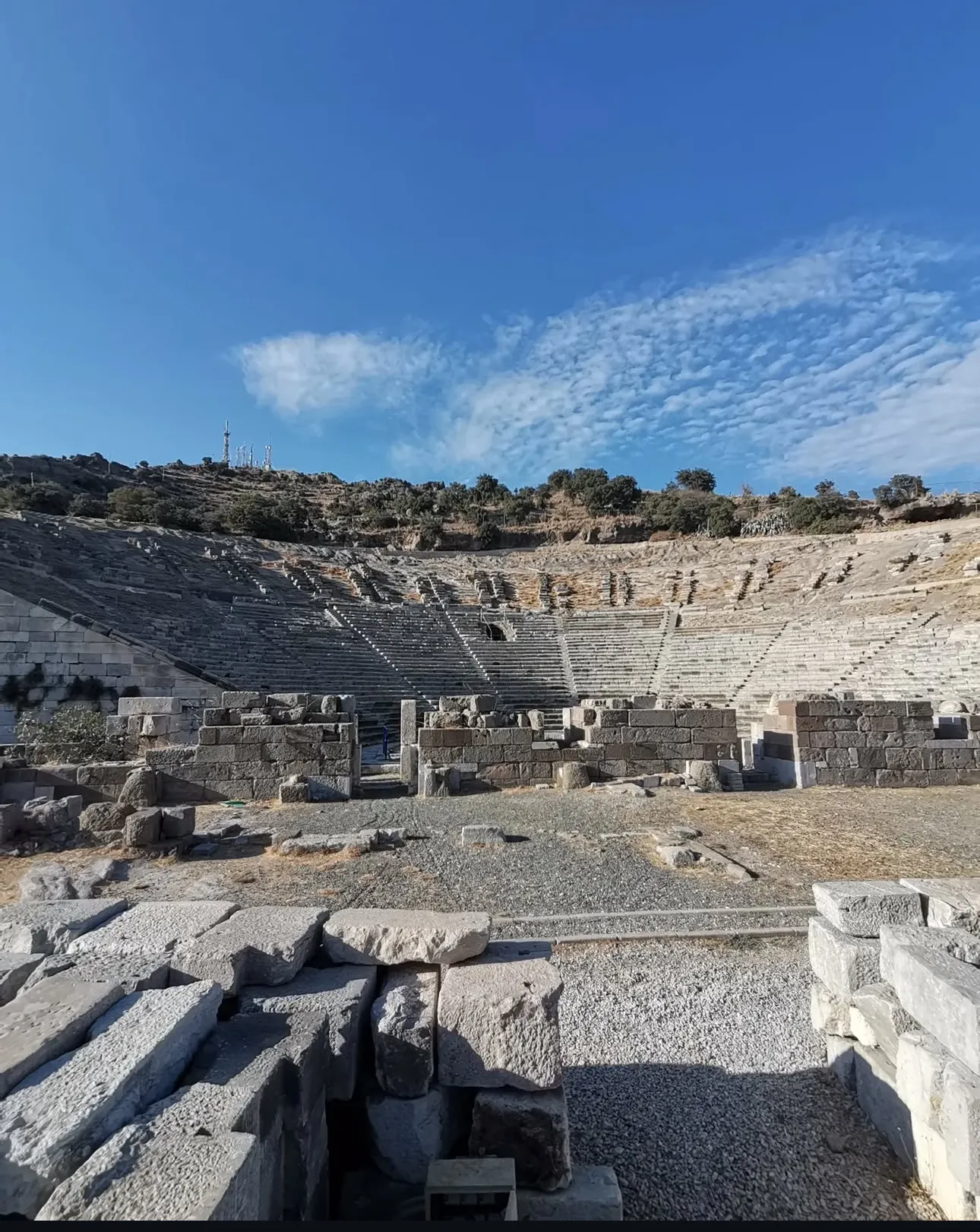
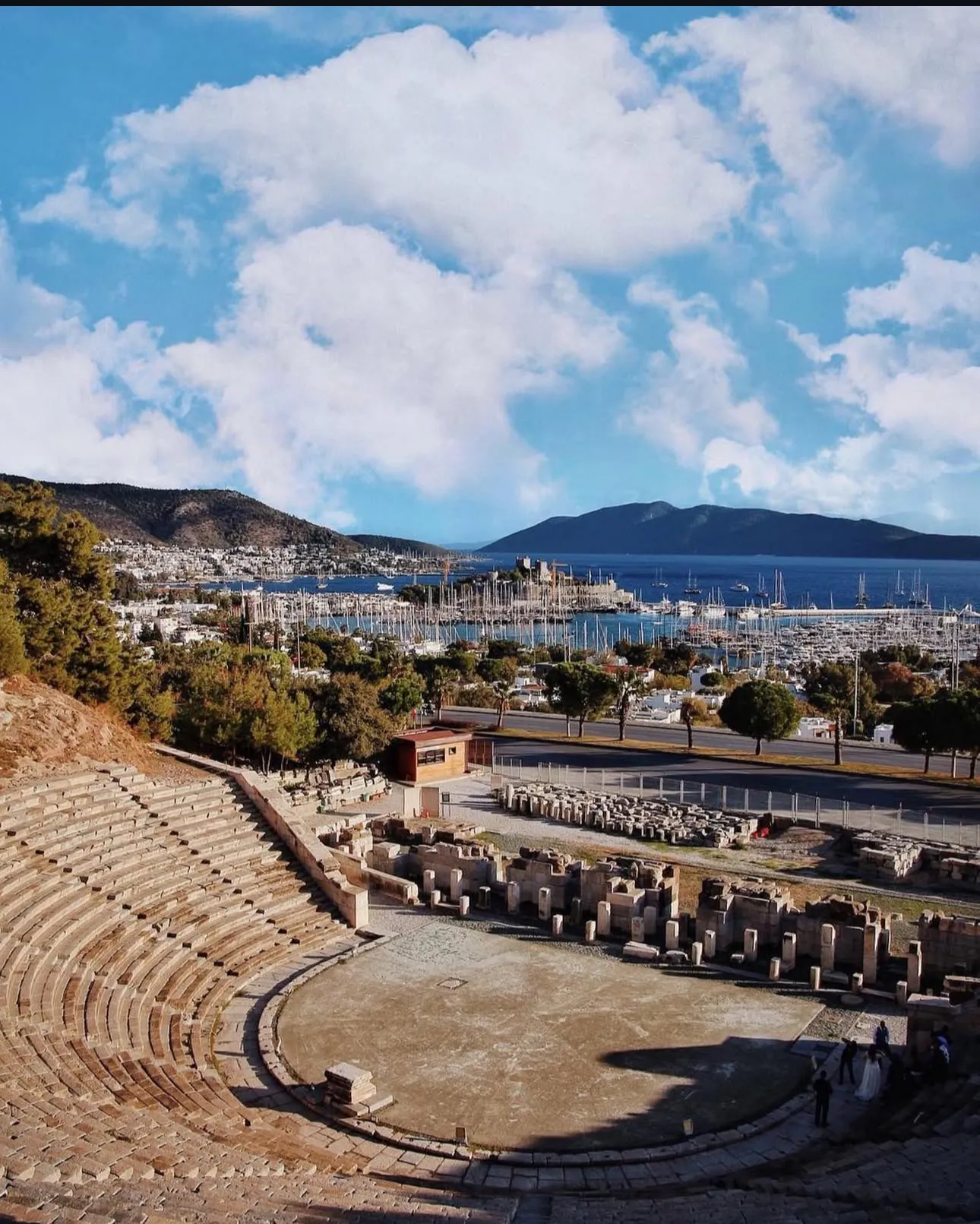
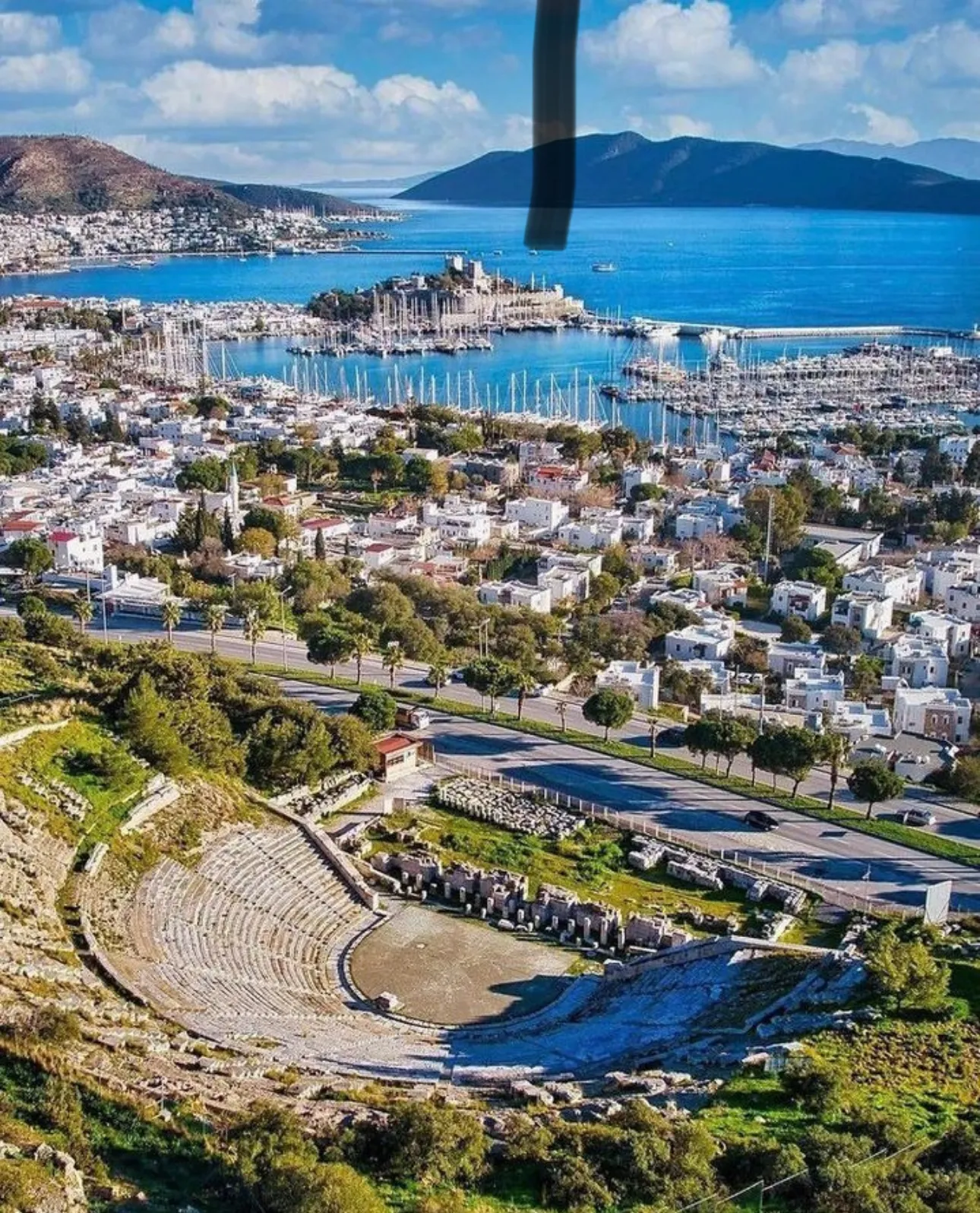
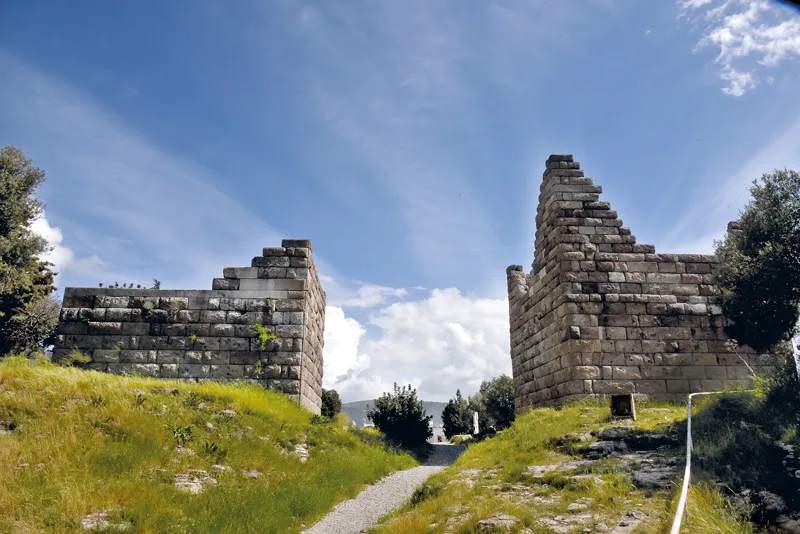
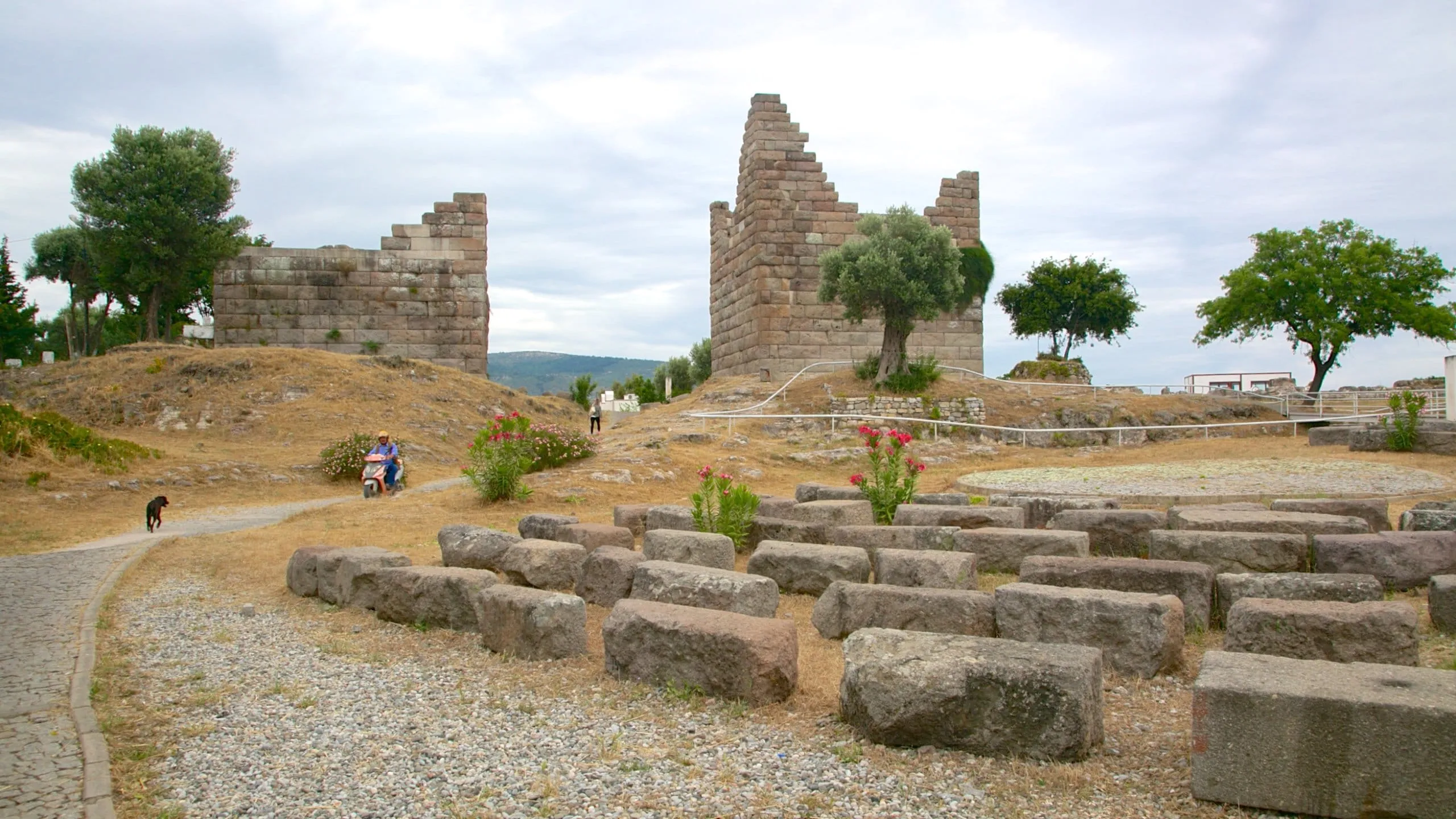
Bodrum was Halicarnassus in antiquity, one of the important cities of the ancient world, and two of its monuments are an easy walk from the center. The Ancient Theatre, built into the hillside in the 4th century BC, seated 13,000 spectators for Greek tragedies, comedies, and musical performances, and it remains one of Turkey's best-preserved classical theaters. The acoustics still work: a person speaking normally on stage can be heard in the top row, and the theater hosts performances to this day. From the upper seats you see the whole town, the harbor, the castle, and the Greek islands offshore, the same backdrop ancient audiences had. Nearby, the Myndos Gate marks the spot where Alexander the Great attacked the city walls in 334 BC. The two sites together take two to three hours.
What You'll Experience
- 2,400-year-old theater carved into hillside with 13,000 seat capacity
- Perfect acoustics allowing normal speech to be heard in highest seats
- Spectacular panoramic views over Bodrum, harbor, and Greek islands
- Myndos Gate where Alexander the Great attacked in 334 BC
- Original ancient stones mixed with careful reconstructions
- Carved marble seats with ancient Greek inscriptions showing VIP areas
Why This Matters
Bodrum has about 2,400 years of recorded history. The Knights of St. John built the castle partly with stones taken from the Mausoleum of Halicarnassus, and Ottoman rule followed. Much of that construction still stands and is open to visitors.
Who Should Visit
Visitors interested in ancient and medieval sites will want a few hours here. The Greek theater and the castle both photograph best in the late afternoon.
First-time visitors and solo travelers both manage easily here. The area is walkable, and staff at most sites are used to tourists.
The Local Context
Bodrum is Turkey's best-known upscale coastal town. The peninsula has been inhabited for over 2,400 years, first as a Greek city-state, later as a Roman province and a Crusader stronghold.
The town was once Halicarnassus, birthplace of the historian Herodotus and site of the Mausoleum, one of the Seven Wonders of the Ancient World. The ancient theater and the medieval castle both survive, a short walk apart.
Boat builders here still make wooden gulets by hand, and some shipyards accept visitors during working hours. The restaurant scene includes simple lokantas as well as resort dining rooms.
What You Need to Know
- Visit early morning (8-9 AM) or late afternoon (5-6 PM) for best lighting
- Wear comfortable walking shoes – ancient stones can be uneven and slippery
- Bring water, especially in summer heat
- Test the perfect acoustics by having someone speak from the stage
- Combine both sites in same trip – they're close together
- Respect archaeological sites – don't climb on restricted areas
- Sunset visits provide golden hour photography opportunities
What's Nearby
Bodrum Castle sits in the harbor below and houses the Museum of Underwater Archaeology. The marina has waterfront restaurants, and the town markets are a short walk away.
Nearby bazaars sell Turkish crafts and souvenirs. Tea houses in the side streets are a good place to rest between sights.