Discover the Secrets of Topkapı Palace
Home and headquarters of the Ottoman sultans for nearly 400 years
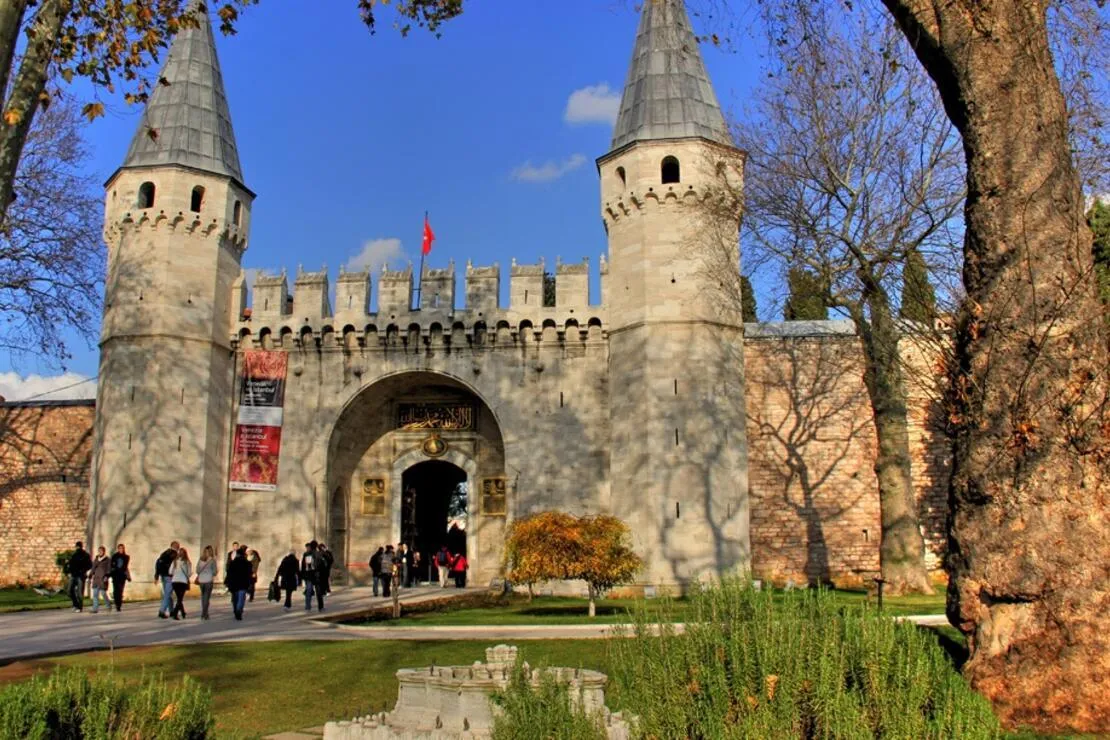
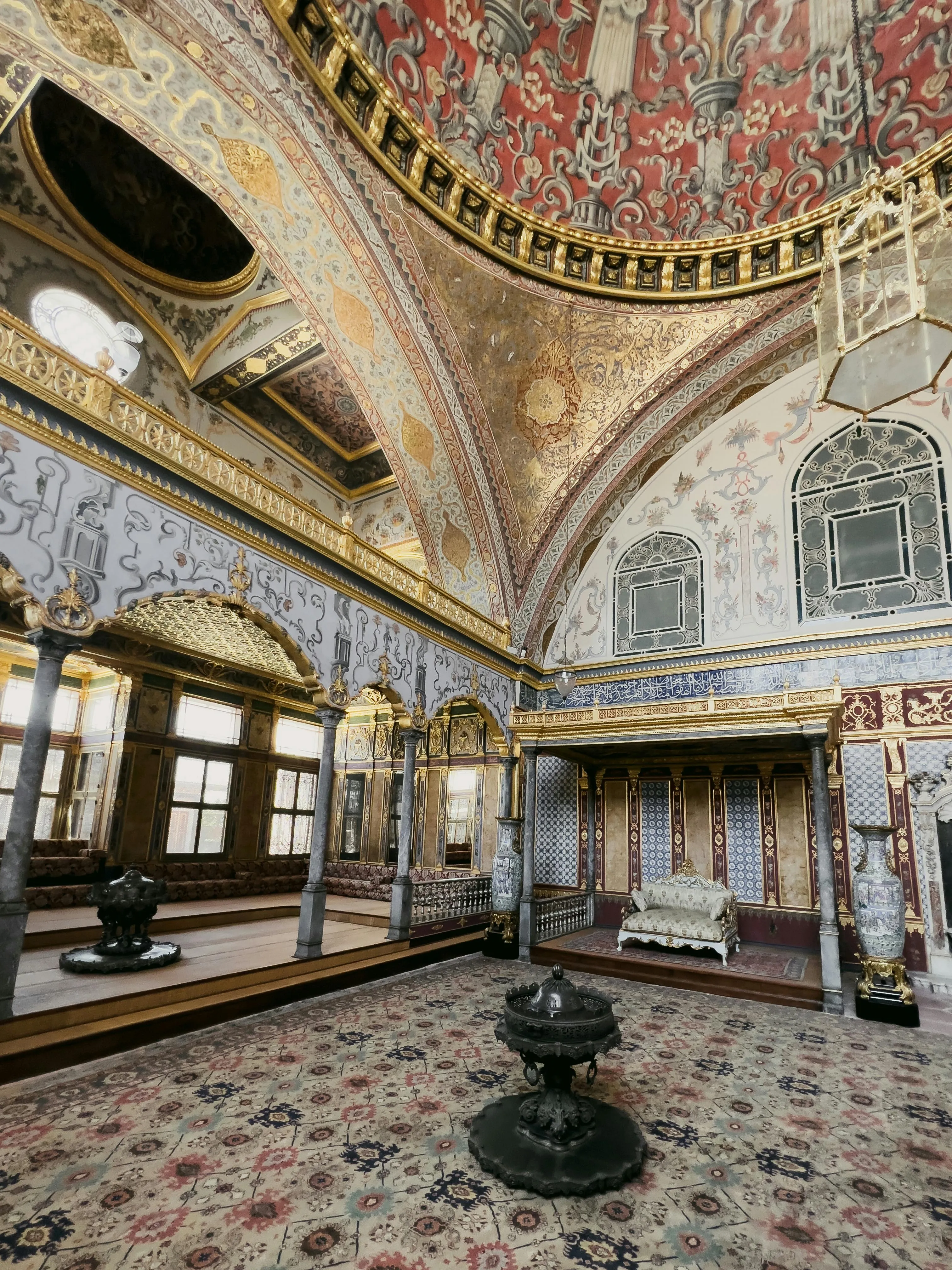
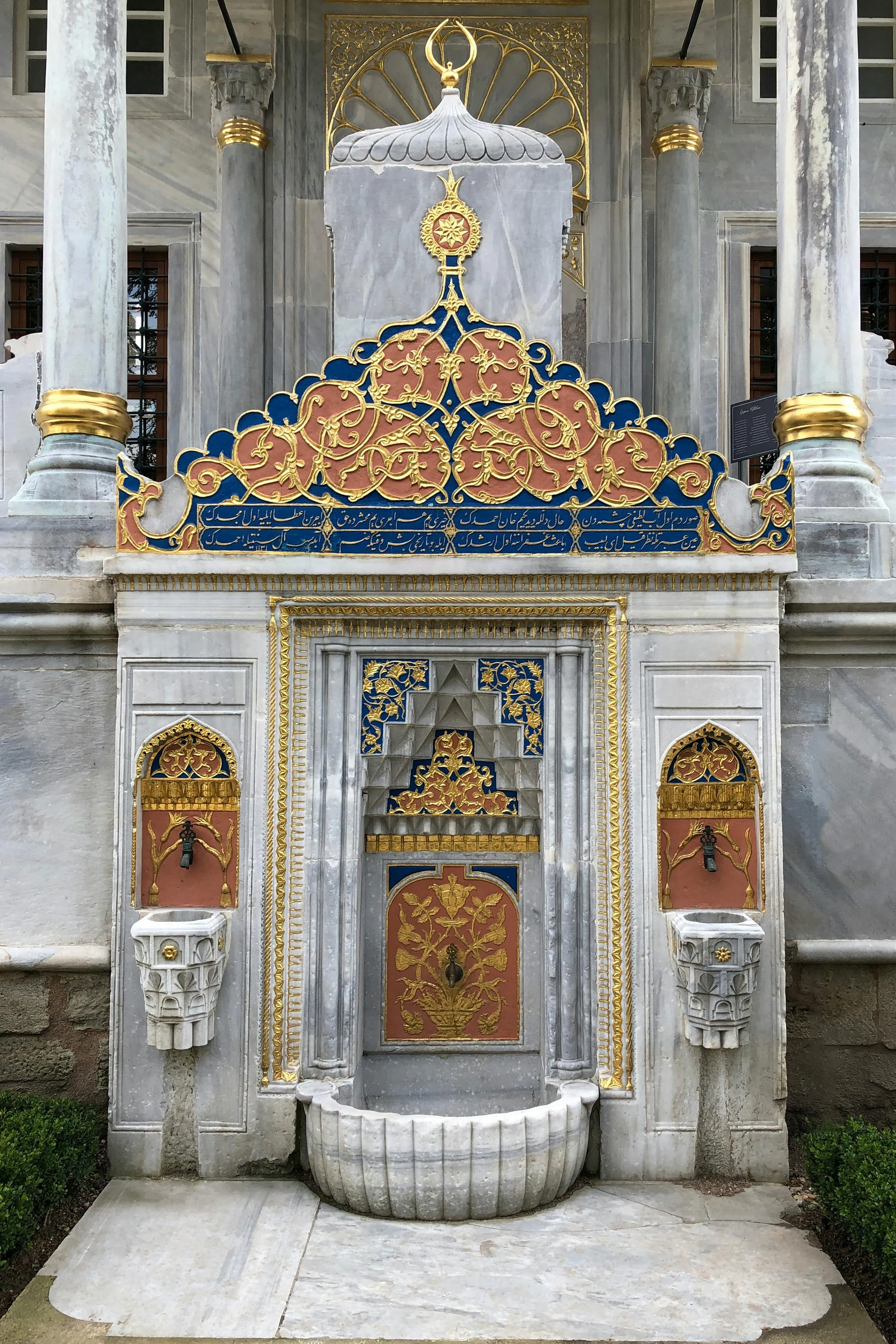
Topkapı Palace was the residence and administrative headquarters of the Ottoman sultans for nearly 400 years. Sultan Mehmed the Conqueror had it built between 1460 and 1478, and the complex grew with the empire: courtyards, pavilions, gardens, kitchens, and a harem of hundreds of rooms. State business, palace ceremonies, and family life all happened inside these walls, along with plenty of political intrigue. Today it is a UNESCO World Heritage Site and one of the most visited museums in Istanbul. Plan for several hours. The palace is laid out as a series of courtyards, and each covers a different side of imperial life, from the council chamber where decisions of state were made to the private quarters of the sultan's household.
What You'll Experience
- Imperial Treasury with famous Topkapı Dagger and 86-carat Spoonmaker's Diamond
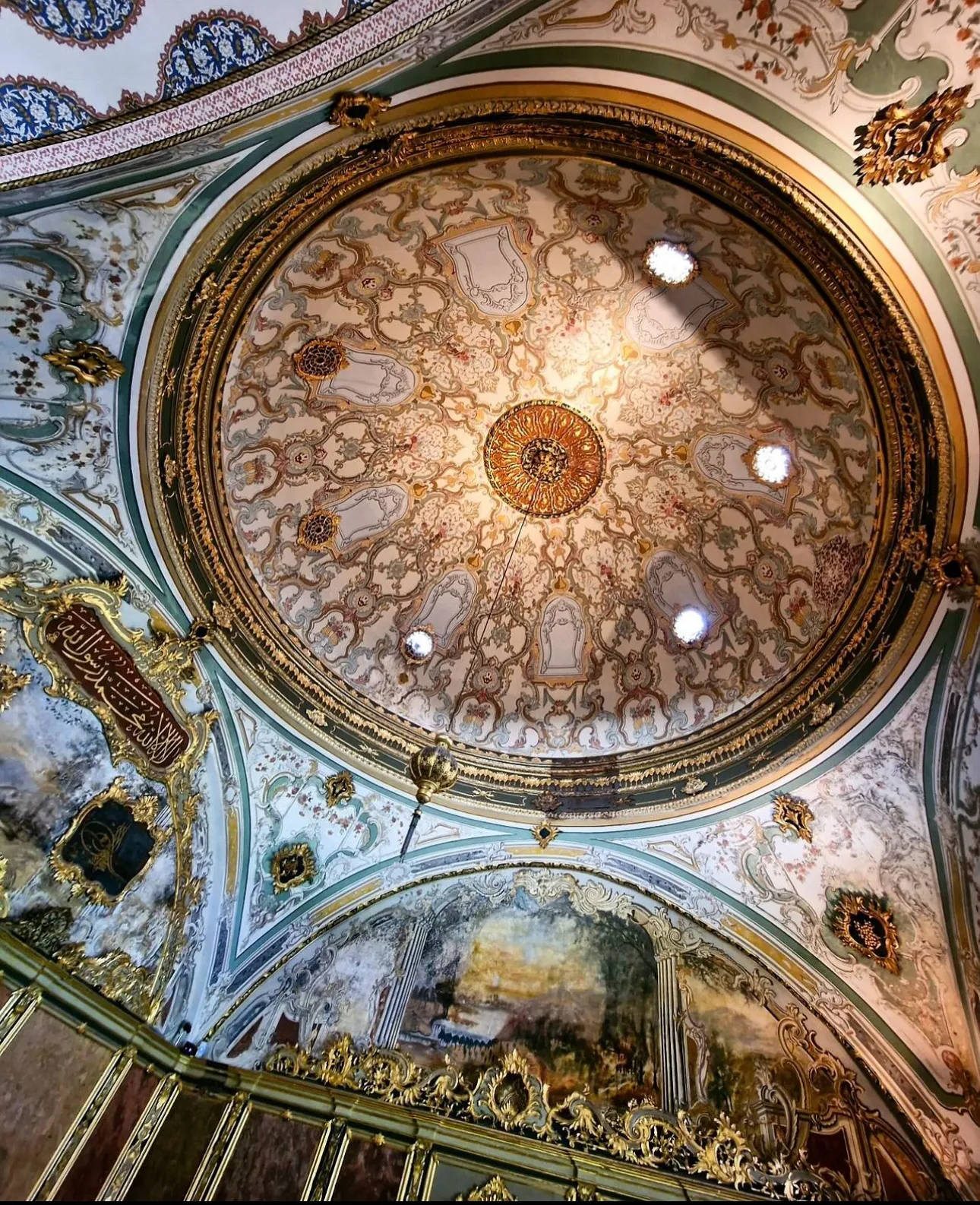
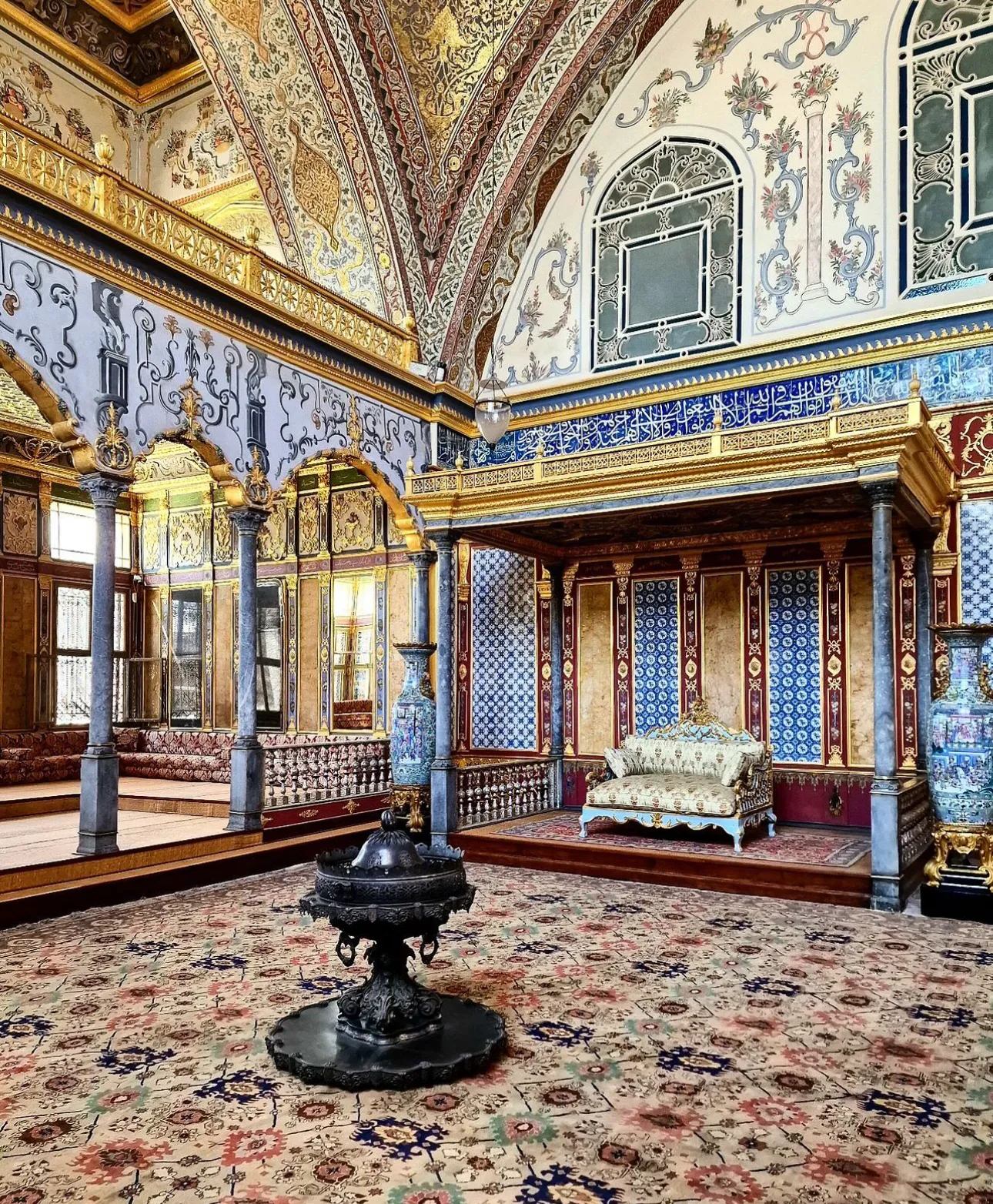
- Harem – labyrinth of 400 rooms with intricate tilework and secret passageways
- Sacred Relics including Prophet Muhammad's cloak, sword, and footprint
- Open Bosphorus views from Fourth Courtyard and Baghdad Pavilion
- Imperial Kitchens with massive copper cauldrons used for palace feasts
- Council Chamber (Divan) where empire-changing decisions were made
Why This Matters
This site is still part of daily city life, which is rare for a monument this old. Byzantine emperors and Ottoman sultans both built here, often on the same foundations. The layers are easy to spot once you know what to look for.
Who Should Visit
Visitors interested in Byzantine and Ottoman architecture will want extra time here. Photographers usually come early, before the crowds arrive and while the light is low.
First-time visitors and solo travelers both manage easily here. The area is walkable, and staff at most sites are used to tourists.
The Local Context
Istanbul is the only major city that sits on two continents. The European side holds most of the historic center, while the Asian side is largely residential. Ferries connect the two in about 20 minutes.
The city has been inhabited for over 2,500 years and was the capital of the Roman, Byzantine, and Ottoman empires. Byzantine mosaics and Ottoman calligraphy often share the same building, and many old structures are still in daily use.
Carpet weavers and Turkish delight makers still use old techniques. Some workshops let visitors watch the work, and a few offer short demonstrations. Ask before taking photos.
What You Need to Know
- Book Harem tickets separately – they often sell out (additional 100 TL)
- Wear comfortable shoes for extensive walking across courtyards
- Guided tours highly recommended to get the full history
- Closed on Tuesdays – plan accordingly
- Entry fee approximately 150 TL for general admission
- Modest attire required – this is a former imperial residence
What's Nearby
Nearby bazaars sell Turkish crafts and souvenirs. Tea houses in the side streets are a good place to rest between sights.