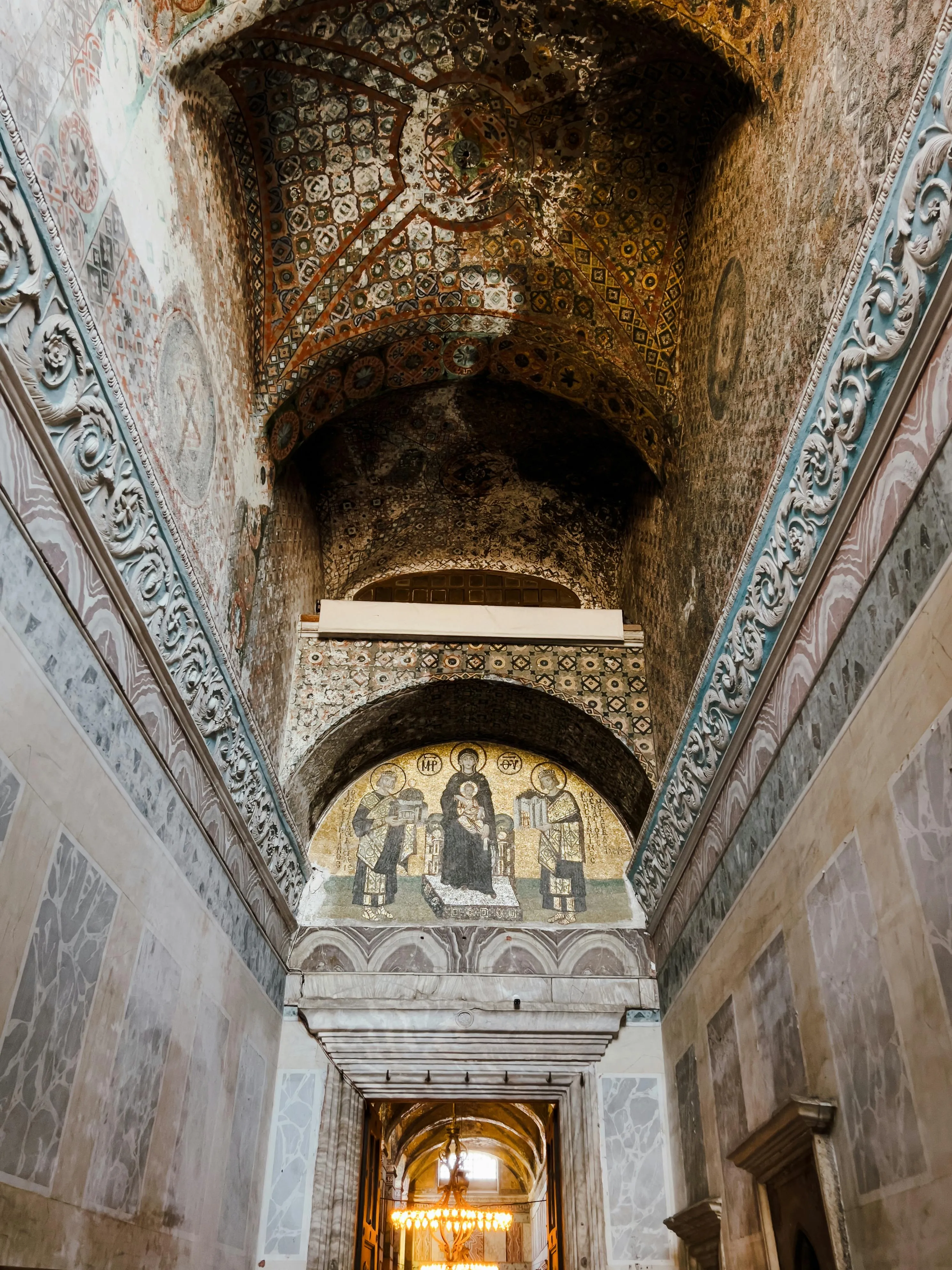
Step into History at Hagia Sophia
Byzantine cathedral turned mosque, with 1,500 years of history under one dome
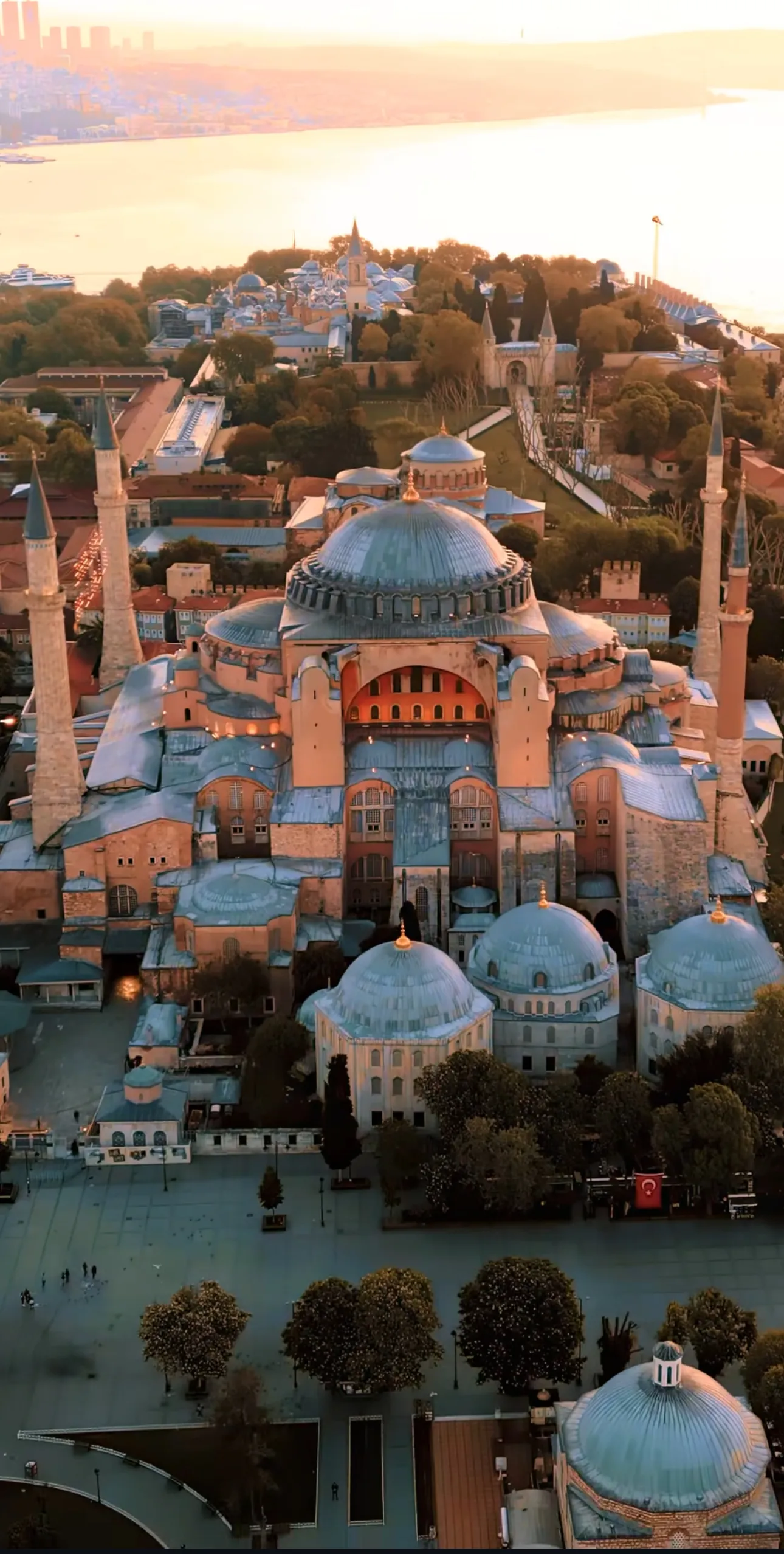
Hagia Sophia was built in 537 AD under the Byzantine emperor Justinian I, and for nearly a thousand years it was the largest cathedral in the Christian world. It has since been a church, a mosque, a museum, and a mosque again. That layered past is the reason to go: golden Christian mosaics survive alongside Ottoman calligraphy, and nowhere else puts the two traditions in one room at this scale. Stand under the main dome first and look up. Then take your time with the rest, the marble, the upper galleries, the way the light moves through the space. Few buildings anywhere have been fought over, prayed in, and rebuilt for so long, and you can read most of that history on its walls.
What You'll Experience
- Massive 31-meter-wide dome that appears to float in midair
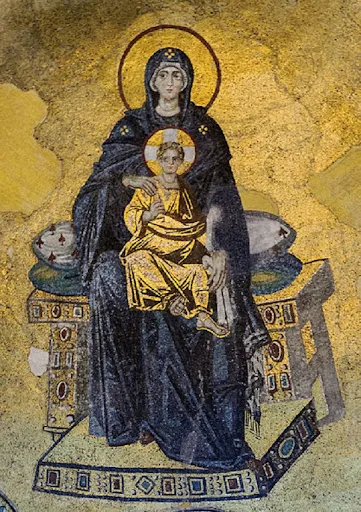
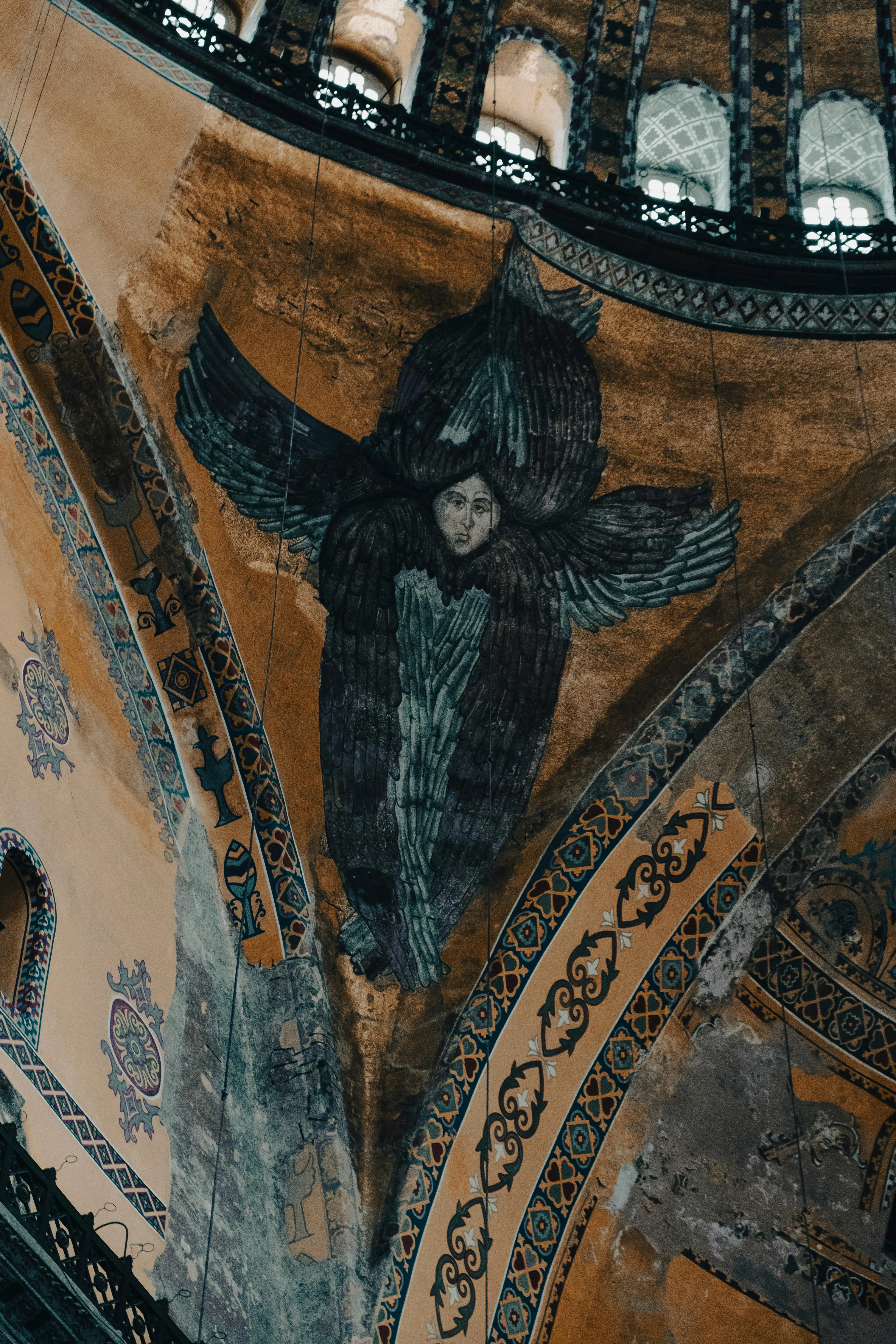
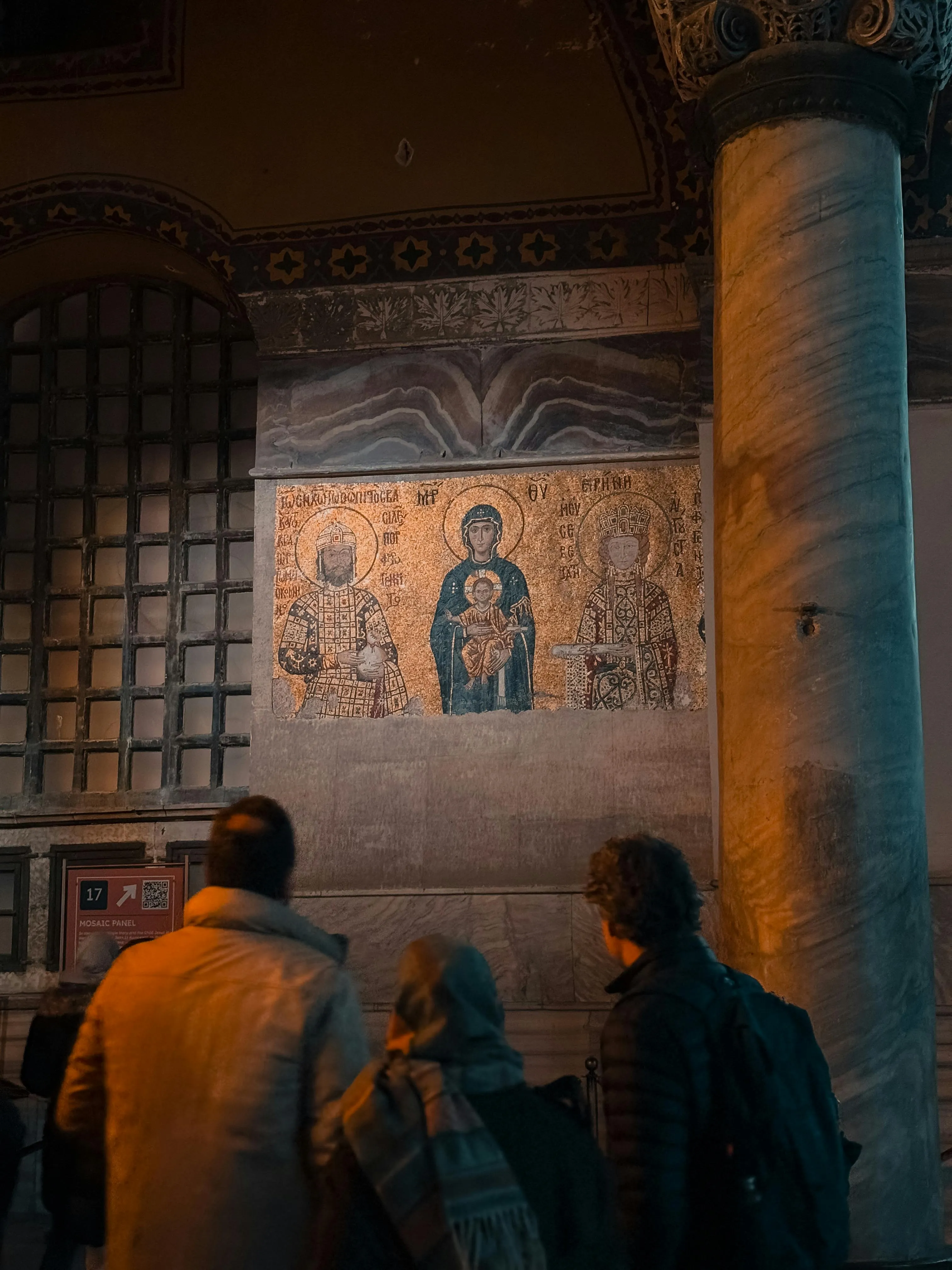
- Golden Christian mosaics from 9th-13th centuries depicting Christ and saints
- Islamic calligraphy medallions from Ottoman era with Arabic inscriptions
- Upper galleries with wide views over the interior and closer looks at ancient mosaics
- Fusion of Byzantine and Islamic architectural elements
Why This Matters
This site is still part of daily city life, which is rare for a monument this old. Byzantine emperors and Ottoman sultans both built here, often on the same foundations. The layers are easy to spot once you know what to look for.
Who Should Visit
Visitors interested in Byzantine and Ottoman architecture will want extra time here. Photographers usually come early, before the crowds arrive and while the light is low.
First-time visitors and solo travelers both manage easily here. The area is walkable, and staff at most sites are used to tourists.
The Local Context
Istanbul is the only major city that sits on two continents. The European side holds most of the historic center, while the Asian side is largely residential. Ferries connect the two in about 20 minutes.
The city has been inhabited for over 2,500 years and was the capital of the Roman, Byzantine, and Ottoman empires. Byzantine mosaics and Ottoman calligraphy often share the same building, and many old structures are still in daily use.
Carpet weavers and Turkish delight makers still use old techniques. Some workshops let visitors watch the work, and a few offer short demonstrations. Ask before taking photos.
What You Need to Know
- Visit early morning or late afternoon for better lighting and smaller crowds
- Women must cover their hair; scarves available at entrance
- Avoid visiting during Friday noon prayers for the best experience
- Photography permitted without flash – be mindful of worshippers
- Entry fee for tourists: 25 EUR as of 2024
- Free access for worshippers in designated prayer areas
What's Nearby
The Blue Mosque is directly across the square, and the Basilica Cistern is a few minutes away on foot. The Grand Bazaar is about a 15-minute walk.
Nearby bazaars sell Turkish crafts and souvenirs. Tea houses in the side streets are a good place to rest between sights.